Type -:-
Sovereign Monarchy
Ruling House -:-
House of Delorne
Current Monarch -:-
Queen Katherine
Crown Prince Consort -:-
His Royal Highness, Sebastian de Monfort
Capital -:-
Palace of St. Alastair, Home of the Royals
Ancestral Seat -:-
Donegal House
Badge -:- A gold medallion bearing the image of a lion rampant—the same as the design of the collar—encircled by the Order’s motto, "
Je Maintiendrai," in dark-blue enamel.
Patron Saint -:- The Order is dedicated to
St. Alastair, a revered figure in Beaumarys' history known for his wisdom, justice, and defense of the kingdom during its early formation. The Order was founded in the 14th century by Maximillian, The Steel-hearted to honor loyalty, valor, and exceptional service to the Crown and Kingdom.
National Motto -:- "
Je Maintiendrai." ("
I Will Maintain")
Robe -:- Members wear ceremonial robes of deep navy, trimmed with gold and embroidered with the emblem of the kingdom.
Collar -:- A chain of interlocking gold links, each shaped like a lion rampant, symbolizing strength and vigilance.
Beaumarys is a sovereign monarchy forged from ancient division and hard-won unity, a land where legacy weighs as heavily as the crown itself. Once ruled by fractious clans, the kingdom was first unified under the legendary Queen Isolde of the Mist, whose descendants... House Delorne... have since borne both the glory and the burden of rule. The nation’s identity is bound to endurance: mountains and forests shelter its people, while its history is marked by recurring tension between crown and nobility, tradition and reform. The national motto,
Je Maintiendrai...
I Will Maintain... is not merely ceremonial, but a vow etched into Beaumarys’ collective memory:
that the realm endures through resolve, justice, and stewardship rather than spectacle alone.
In the present age, Beaumarys stands at a defining crossroads under
Queen Katherine, whose reign has reshaped the meaning of sovereignty through resilience, maternal authority, and unyielding moral clarity. From the political heart of the Palace of St. Alastair to the ancestral refuge of Donegal House, the kingdom balances statecraft with deeply personal legacy. The birth of Prince Leopold Sebastian du Montclair secured the line yet also reframed it... binding crown, people, and future through survival rather than conquest. Beaumarys is no longer ruled solely by inherited power, but by a living promise: that governance is an act of protection, and that the strength of the realm is measured by the lives it sustains, not the fear it commands.
Structure of the Order
Sovereign -:-- The reigning monarch (currently Queen Katherine) serves as the Sovereign of the Order and presides over its ceremonies.
Knights and Ladies -:-- Limited to 24 members at any time, excluding royal and honorary members. Candidates are chosen based on exceptional loyalty, chivalric deeds, or contributions to the Crown.
Honorary Members -:-- Foreign royals or dignitaries may be inducted as honorary members.
Privileges of Membership -:-- Knights and Ladies of the Order are granted a ceremonial seat at court, along with a position of honor at royal events. Members are entitled to wear the insignia during state and religious ceremonies. They have the right to petition the Sovereign directly and serve as advisors in matters of state if called upon.
Ceremonies:
Investiture -:-- Held annually at the Palace of St. Alastair. New members are knighted and presented with their robes, insignia, and title in a solemn yet grand ceremony.
Feast Day of St. Alastair -:-- Celebrated on the saint’s feast day with a procession, a religious service, and a grand banquet for members of the Order.
Historical Significance -:-- The Order has played a critical role in maintaining the unity of the Beaumarian nobility, rewarding loyalty and encouraging alliances. Its members have historically served as military leaders, advisors, and protectors of the kingdom's interests.
Modern Role -:-- Under The Queen's reign, the Order has seen a renewed focus on service, with an emphasis on charitable contributions and supporting the monarchy in fostering unity and progress within Beaumarys.

 Beaumarys
 was once a land divided into smaller territories, each ruled by different clans. Its history dates back to a time when the land was wild and untamed, with no central authority to bring order. However, in ancient times, a legendary warrior-queen named Isolde of the Mist is said to have united the tribes. She wielded a sword forged in the sacred mountain of Mount Alastair, which was believed to be imbued with the power of the gods. Under her leadership, Beaumarys became a unified kingdom, and the people revered her as both a ruler and a protector of the land. The royal family of Beaumarys traces its lineage back to Queen Isolde. The throne was passed down to her descendants, but her bloodline has been marked by power struggles and contested succession. Some believe that only those descended directly from Isolde can rule, while others argue that a ruler’s strength and wisdom should be the deciding factors. This debate has fueled internal conflict over the centuries.
The royal family, though technically the ruling power, has often had to contend with rebellious clan leaders who desire greater independence for their territories. While the monarch has considerable influence, their authority is often challenged by clan chiefs who are loyal to their own family interests. This delicate balance of power has kept Beaumarys in a state of constant tension—one where the monarchy’s strength is only as great as the support it can maintain from the most powerful clans.
Donegal House
Donegal House,
Katherine's Private Residence was built in the early 14th century by
Lord Callum Delorne,
the patriarch of Katherine’s family, as a fortress to solidify the Delorne family's influence in the northern region of Beaumarys.
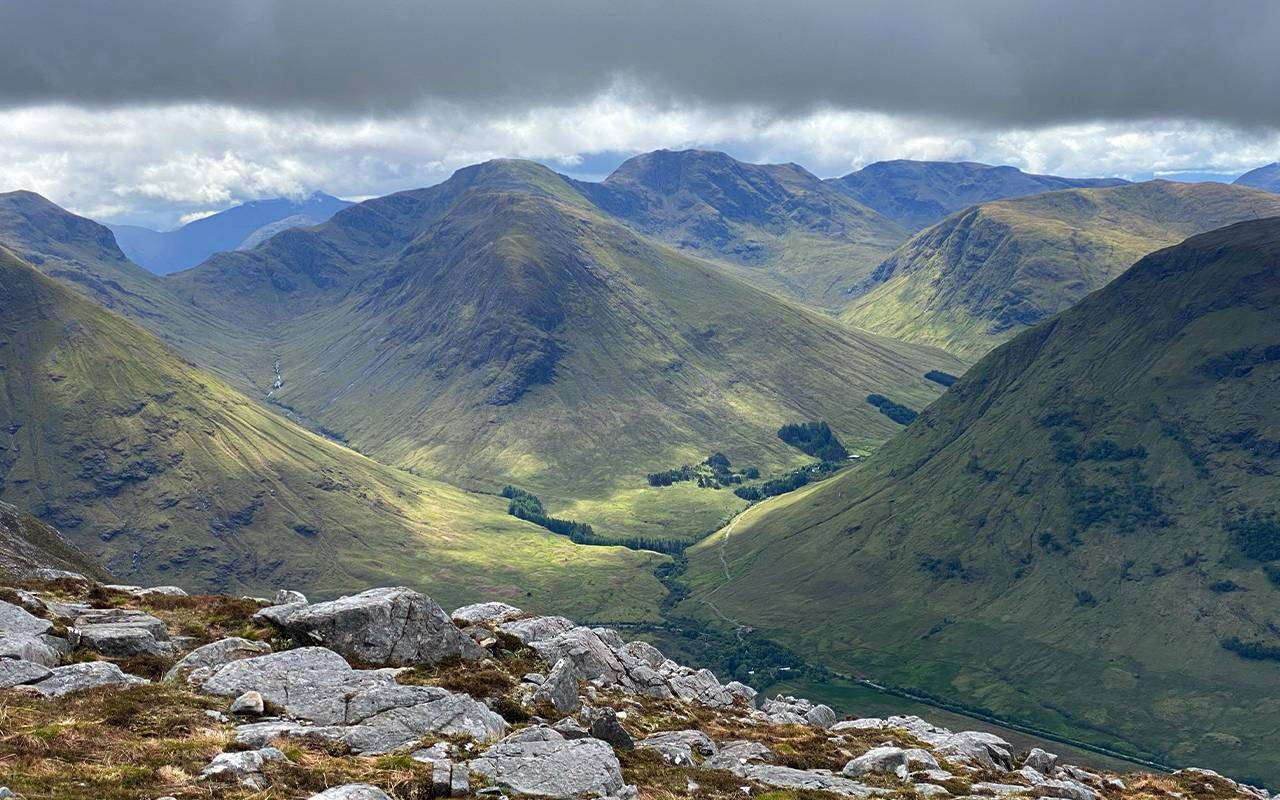
Set against a backdrop of rugged hills and lush woodlands, Donegal House was initially constructed as a stronghold, combining the need for defense with the comfort of noble life. Its stone walls, towering turrets, and expansive grounds made it both a symbol of power and a sanctuary for the family.
As the kingdom of Beaumarys grew in both influence and complexity, Donegal House gradually evolved into a more refined and elegant residence, reflecting the Delorne family’s growing wealth and political importance. By the late 16th century, Donegal House had become a symbol of the family’s high status, with beautiful gardens, vast hunting grounds, and grand halls.
In the 17th century, under
Lord Alistair Delorne, Donegal House was expanded to include
ornate drawing rooms, a sweeping staircase, and a large library. The Lord was known for his love of art and culture, and he invited scholars, poets, and artists from across the kingdom to stay at Donegal House. This period saw the establishment of a renowned cultural legacy for the Delorne family, with Donegal House becoming a focal point of Beaumarys' intellectual and artistic life. The estate was also a center for military strategy during times of conflict. During the War of the Fallen Isles, Donegal House provided a safe haven for Katherine’s ancestors and became a key site for military planning. The house’s remote location made it an ideal place for political leaders to meet in secret, away from prying eyes. The 18th century brought hardship to Donegal House. A series of devastating fires ravaged parts of the estate, and though the building was rebuilt, it was never quite the same. The fires left behind a lingering sense of tragedy, and some rooms still carry the signs of that turbulent time—charred wooden beams and cracked stone walls that tell the tale of Beaumarys’ past.
Despite these setbacks, the Delorne family maintained a connection to Donegal House, turning it into a place of quiet reflection. For generations, it was the family’s private retreat, away from the political intrigue and tensions of court life. It was a place where, traditionally, Royal family matters were discussed, and Katherine’s ancestors solidified their role as stewards of Beaumarys’ northern reaches.
In present times, Donegal House remains a stunning, tranquil retreat. Surrounded by dense forests and a glistening lake, it offers a secluded haven away from the pressures of life. It is known for its beautiful terraced gardens, which were meticulously planned by Katherine’s great-grandfather, and its elegant ballroom where the family still holds private gatherings. The library, with its tall windows and view of the surrounding hills, is one of Katherine’s favorite places to spend her quiet hours.
Despite the house's beauty, Donegal House is not without its mysteries. Many claim the estate is haunted by the spirits of past Delorne ancestors, and the local villagers speak of strange sounds at night coming from the halls. However, Katherine holds a deep attachment to the home, finding comfort in the long corridors and intimate rooms, all steeped in history. Donegal House is not just a private residence; it is a reminder of the Delorne family’s enduring legacy and their deep ties to the land of Beaumarys. It is here that Katherine seeks both solace and strength, drawing inspiration from the echoes of those who came before her.
Palace of St. Alastair
Katherine’s
official residence, the
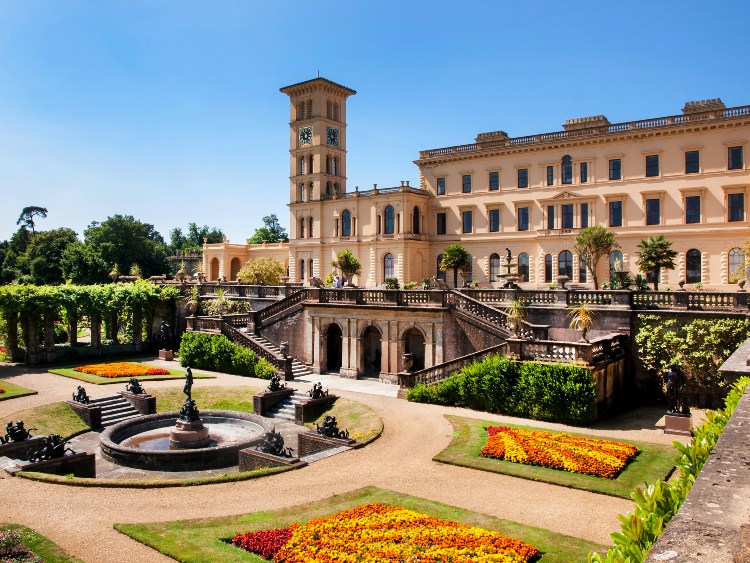
Palace of St. Alastair, is the official seat of government for Queen Katherine, though it is as much a symbol of her family’s legacy as it is a working royal residence. It houses countless treasures, including rare books, tapestries, and artwork accumulated by generations of monarchs. The Palace of St. Alastair is a living embodiment of Beaumarys’ royal lineage, a place where the past and present seamlessly intertwine. Katherine, though young, finds both strength and comfort in the palace, taking pride in its long history and the responsibility it represents.
 History of the Palace
Katherine’s
official residence, the
Palace of St. Alastair, was built in the early 12th century, though its origins trace back to a much older site that had long been used as a fortification. Situated atop a cliff that overlooks both the sea and the surrounding lands, this location was originally chosen for its strategic military advantages. The palace began as a simple stronghold to protect the royal family from external threats and internal rebellions. As Beaumarys’ power and influence grew, the Palace of St. Alastair evolved. By the 16th century, under Queen Arianne the Wise, the palace was transformed from a fortress into an elegant royal residence. Influenced by European architectural trends, it became a testament to the kingdom’s prosperity and the monarchy’s aspirations to modernize.
In the 17th century, the palace was further expanded by Katherine’s ancestors. The royal residence now included ornate terraces, grand halls, and large windows that flooded the rooms with light. The palace’s grounds were designed with grandeur in mind, featuring formal gardens, ornamental lakes, and winding paths. The palace became a symbol of both royal authority and cultural refinement, blending military strength with aesthetic elegance. Where once it was a fortification, it now stood as a beacon of power and luxury. The family’s personal touch was evident in every room, with furnishings and décor chosen to reflect both the monarchy’s strength and its newfound softer, more regal side. Beaumarys’ nobility, too, took pride in the palace, seeing it as a reflection of their kingdom’s standing among its peers. In the 18th and 19th centuries, the Palace of St. Alastair served as the political heart of Beaumarys. It hosted important meetings with foreign dignitaries and provided a venue for pivotal moments in the kingdom’s history. The palace was also where key decisions regarding the future of Beaumarys were made.
Alongside its political role, the palace remained a royal retreat. Katherine’s ancestors ensured that the residence included private wings and rooms where the family could retreat from court life’s pressure. Katherine’s personal chambers, with their sweeping views of the coastline, became a place for her to reflect, make decisions, and find peace away from the bustle of governance. The royal family also gathered for intimate occasions in the palace’s many drawing rooms and grand gardens. The Palace of St. Alastair continued to be updated over the centuries, balancing both modern comforts and historic charm. Despite these changes, much of its original grandeur remains intact, blending the ancient stonework of the original structure with newer additions.
Today, the palace remains the official seat of government for the Queen, though it is as much a symbol of her family’s legacy as it is a working royal residence. It houses countless treasures, including rare books, tapestries, and artwork accumulated by generations of monarchs. The Palace of St. Alastair stands as a living embodiment of Beaumarys’ royal lineage, a place where the past and present seamlessly intertwine.
💥 💥 💥 💥 💥 💥 💥 💥 💥 💥 💥 💥 💥 💥 💥 💥 💥 💥 💥 💥 💥 💥 💥 💥