but what returns
-
Welcome to the world of:
RHYS LEVINE
"Some old wound never truely heal, and bleed again at the slightest world"

 RHYSMasculine † Welsh † "Passion"LEVINESurname † Hebrew/Ashkenazi † "Attached"
 -
Basic info


◖BIRTHNAME◗
He was born Rhys Levin. The name was his grandfathers from his fathers side.
◖NICKNAME◗
People just call him Rhys, no nicknames for him.
◖AGE◗
He is 25 years old.
◖BIRTHPLACE◗
He was born in Munsen, Massachusetts.
◖NATIONALITY◗
American.
◖RESIDENCE◗
He now lives in Boston, Massachusetts.◖OCCUPATION◗
He never got an college education and he never will. He works at a bar and as a model.
◖BUILD◗
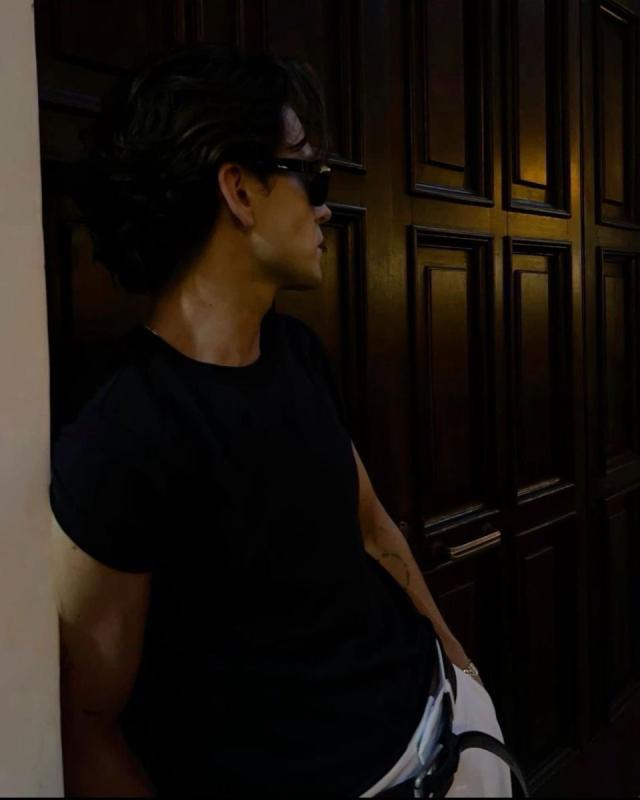
Muscular body and long legs.
◖HEIGHT◗
He stands at around 1.85-meter-tall (6 ft 1 in)
◖EYES◗
He has beautiful blue/green eyes.
◖HAIR◗
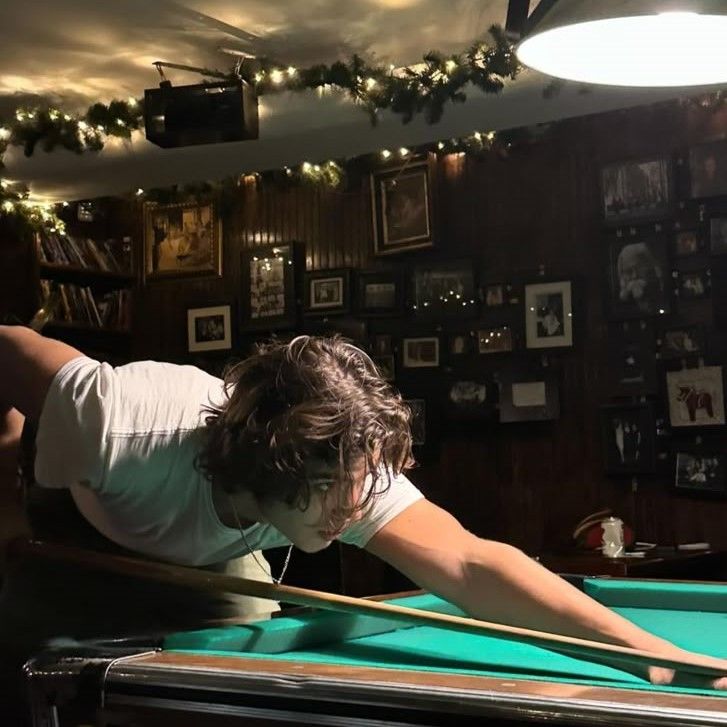
Short fluffy brown hair.
◖COMPLEXION◗
He has a fair complexion.
◖WEIGHT◗
No comment
◖SCARS◗
None that she knows of.
◖ZODIAC SIGN◗
He is an aries due to his birthday birthdate April 17.
◖SEXUALITY◗
He is a straight man.
◖RELATIONSHIP STATUS◗
Single.
◖FACE CLAIM◗
His fc is Ivan Kozak. -
Aesthetic
-
-
About him
&
An Archangel a little damaged


 The whole question here is:
am I a monster, or a victim myself?
________________
Rhys Levine learned early that love and chaos could live in the same room.
Some of his first memories smell like gasoline and stale beer. He remembers sitting in the backseat at eight years old, his little brother—only four—curled against his side, both of them too quiet for children their age. It was past midnight. His mother was driving through dark, empty roads, searching for her husband. Again. Their father had taken the car while drunk and disappeared. No phone calls. No note. Just silence and dread.
Rhys remembers the way his mother’s knuckles turned white around the steering wheel. The way she kept apologizing to them, as if any of it were her fault. They drove for hours, checking parking lots, roadside ditches, the dim glow outside bars. Rhys stayed awake the entire time, staring out the window like it was his responsibility to find him. They did find him eventually—slumped behind the wheel, engine still running, reeking of alcohol. After that, there was rehab. Again.
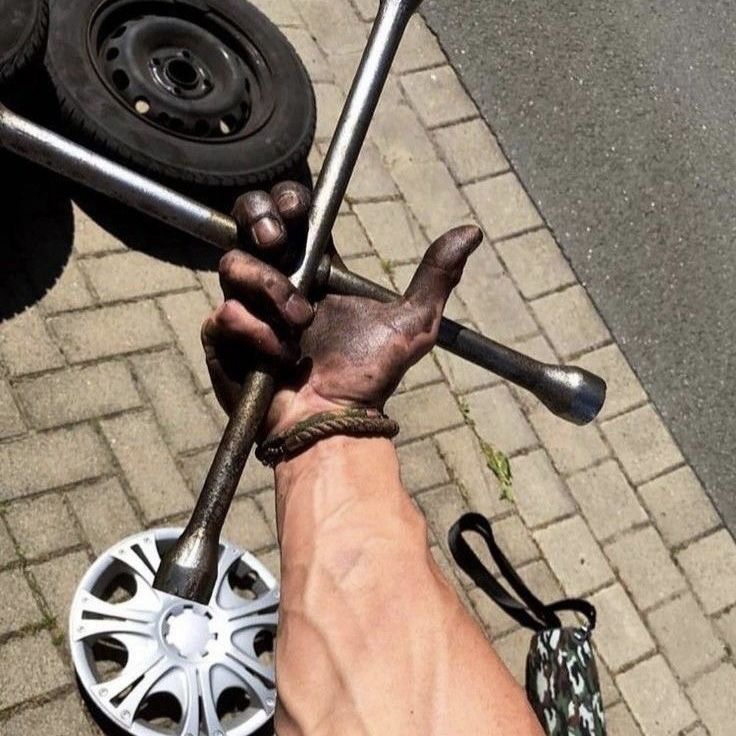
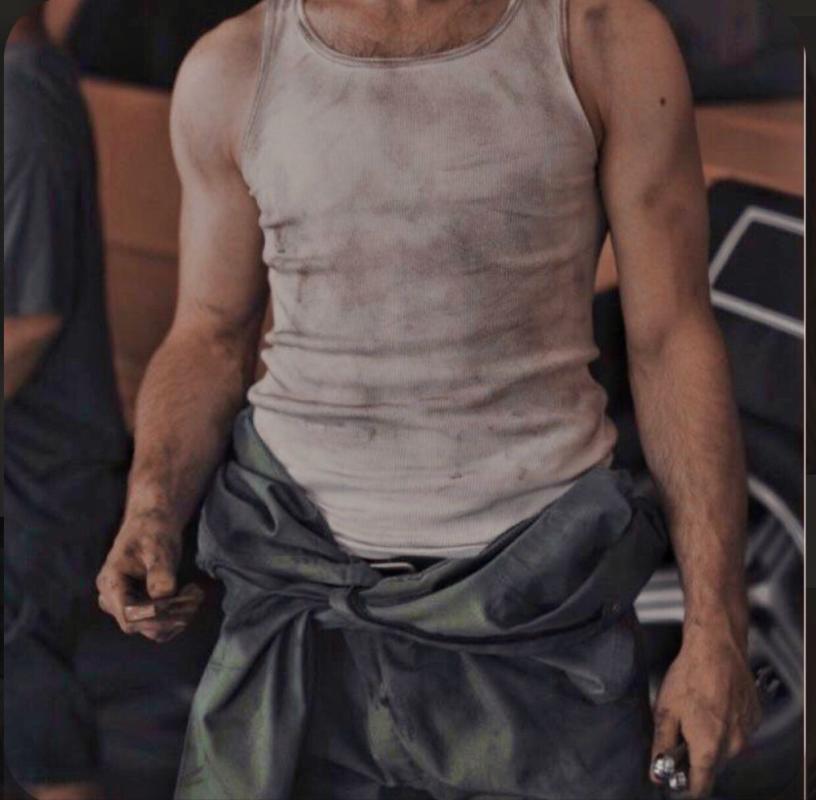
For a few fragile, golden years, his father was sober. Those were the years Rhys clings to. His father teaching him how to change brake pads. Grease-smudged smiles. Saturday mornings at the auto shop, where the air buzzed with engines and second chances. When sober, his father was patient, funny, capable. A good man trapped in a weak body.
Then came the accident. A collision on a rain-slick highway. Shattered bones. Crushed legs. Months in hospital beds and physical therapy rooms. The painkillers came first. The drinking followed close behind. This time, it was worse.
His mother lasted as long as she could. Years of cleaning up messes. Years of broken promises. Years of loving someone who kept choosing the bottle over them. When she finally left, Rhys didn’t blame her. He watched her pack her suitcase with red-rimmed eyes and understood something his younger brother didn’t yet: she had already stayed longer than anyone should have to.
She deserved peace. She found it, eventually. Remarried. Smiled again. Rhys is genuinely glad for her.
But he stayed. He and his brother made a pact the summer his brother graduated high school. One of them had to escape. One of them had to stay. His brother would go to college. Build something bigger than their small town. Rhys would remain behind—manage the auto shop, keep the bills paid, keep their father alive. When his brother finished, they would switch. Rhys would get three years. Three years to travel. To breathe. To live without responsibility pressing on his chest. Then he would come back and take over for good.
Now Rhys lives in a city that never asks questions. He shares an apartment with his best friend—a place that smells like cologne, cigarettes, and expensive detergent. By night, he works behind the bar, pouring drinks he knows too well, charming strangers with easy smiles and lazy confidence. By day, he models when agencies call. He photographs beautifully—sharp jaw, dark eyes, the kind of body built from hauling engines and lifting kegs.
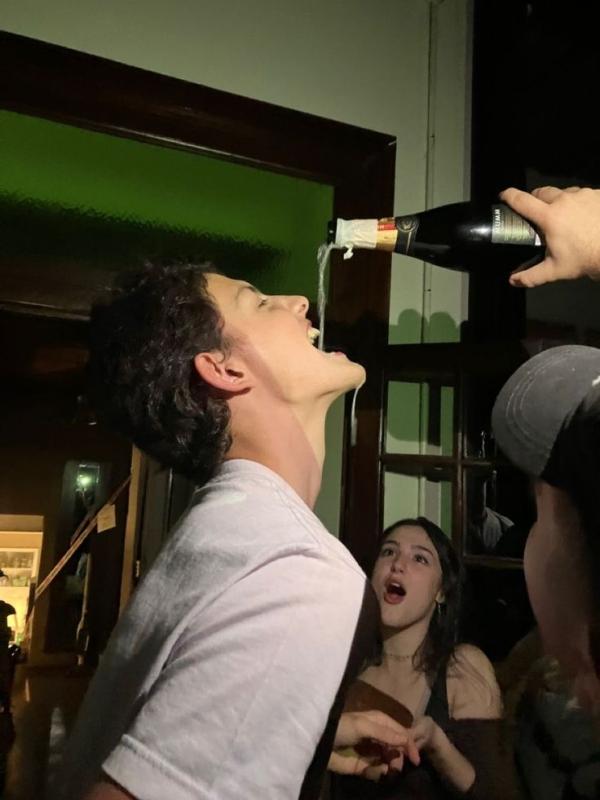
People assume he’s carefree. He drinks too much. Smokes too much. Sleeps with women whose names he sometimes forgets by morning. He’s magnetic in a reckless way, always surrounded, always laughing.
But beneath the surface, there’s a clock ticking. Every hangover carries guilt. Every empty bed reminds him that none of this is permanent. His life here is borrowed time. He knows how this story ends. He will return to that small town. He will step back into the grease-stained shop. He will sit across from a father who smells like whiskey and regret. He will become the responsible one again.
Sometimes, late at night after the bar closes, Rhys stares at the city skyline from the balcony and wonders if he’s already turning into the man he resents. The drinking scares him. He tells himself he’s different—that he’s in control. That he can stop whenever he wants. But he has seen how that lie ages.
What people don’t see is that Rhys carries more tenderness than he lets on. He sends his brother money when he can. He answers his father’s late-night calls, even when they’re slurred and cruel. He keeps a photo of his mother smiling at her second wedding tucked in a drawer, proof that escape is possible. He plays the role of the charming disaster because it’s easier than admitting he feels trapped by a promise he made at eighteen.
Rhys Levine lives loudly, desperately, like someone trying to outrun an inevitable return. Three years. That’s what he has. Three years to decide whether he will go back out of duty—or whether, for once, he will choose himself.
-
Style
-
-