
  (How to get to the AotM Headquarters)
Unless you are an AotM agent with a Key Gauntlet, getting to AotM HQ directly from the Dome is not possible. The settlement of Harbor is actively hostile towards the AotM, so they have no permanent Gates to utilize. AotM agents may be able to return to the Omphalos with their gauntlets if they can find a usable door with a keyhole. If you're not an agent, you're out of luck. To get to the Omphalos, you'll have to go back through the tunnels to Sanctuary and then reach the Omphalos via the Gates in Sanctuary's town square.  (How to get to the City of Sanctuary)
Getting to Sanctuary from Harbor must be done through the tunnels. The Dome has no permanent Gates. Once you have gone through the tunnels, you must cross the wilderness to get to Sanctuary itself. Most of the exits for the tunnels are located in the foothills at the edge of the Caldera. Traversing the main tunnel from Harbor to Sanctuary takes about three days on foot. The way can be tricky and fraught. Whether you opt to go through the tunnels that Harbor controls, or the AotM's sole tunnel, it's easy to get lost without a guide, and the tunnels can be home to dangerous animals. In Harbor's tunnels, thefts and muggings are common without adequate protection. The tunnels are fairly tall and wide and can accommodate beings up to 17 feet tall, though some parts are a bit of a squeeze. Harbor's main tunnel has been adapted for mounts and carts as well. The tunnel the AotM controls has been preserved in its natural state and is best traversed on foot. Dinosaurs and other prehistoric life from the Dome cannot seem to pass through the invisible barrier that separates the two climates, nor can they enter Lily Island. Trying to cross through the barrier causes the animals immense pain and distress, and eventually cardiac arrest. Harbor Controlled  Harbor controls the vast majority of tunnels through the mountains. Most are used for storage, personal homes, or tourist attractions, though. There is a single main tunnel that is the most popular. It begins at the far northeast edge of Sanctuary's Caldera, right below Osprey Cove. Most exit in the Dome at Lily Island, but there are several more tunnel branches that lead to more out of the way exits as well, mostly in the jungle and ruins. Harbor controls the vast majority of tunnels through the mountains. Most are used for storage, personal homes, or tourist attractions, though. There is a single main tunnel that is the most popular. It begins at the far northeast edge of Sanctuary's Caldera, right below Osprey Cove. Most exit in the Dome at Lily Island, but there are several more tunnel branches that lead to more out of the way exits as well, mostly in the jungle and ruins.The main tunnel is kept fairly clean and well lit, and regular patrols keep aggressive animals from slipping in from the deeper tunnels. You'll still want to take a guide with you, however. Visitors without protection are often considered fair game, as are their goods. You can hire a local, which will cost you around 4-5 Silver, and if they're tough they'll usually keep smaller thieves and bandits at bay, and steer you clear of more dangerous areas. Most will leave you at Lily Island, leaving you to fend for yourself on the jungle path to the city. The only way to guarantee protection though is to hire one of the Tyrant King's 'official' guides. They usually run for about 1 Gold and 5 Silver. Wise thieves leave them alone. Foolish ones are easily dealt with. They'll also bring travelers directly to Harbor, and will even play tour guide a little bit on the way for an extra tip or so. Harbor's tunnels are also filled with stalls hawking food and wares, buskers and entertainers, and even a fighting arena called The Hall of the Mountain King. There are fresh fruit and grilled fish to be found on Lily Island, and even a small beach to relax on. AotM Controlled The AotM controls a single tunnel to the Dome, located a little further south from the main Harbor controlled tunnel. It's free to use, and is patrolled and maintained by the AotM's security forces and members of the Steppes Forward Initiative. However, the AotM has chosen to preserve most of the tunnel's original state for study. This means more dangerous wildlife, like giant spiders and other creatures. It also does not come out on Lily Island. Instead, the AotM's tunnel exits in #the-ruins. The Ruins are home to a wide variety of threats that you won't encounter on Lily Island, such as giant, dangling centipedes; nesting dinosaurs; and prowling tigers. Additionally, while the AotM allow citizens to use the tunnel and will even guide them through, they will not take anyone any further than the exit. This means that getting the rest of the way to Harbor is entirely up to you. But this is a good option if you want to save some money, or if you're trying to escape trouble from Harbor. The AotM will apprehend aggressors on sight. The Temple Entrance A smaller, lesser known passage to Sanctuary from the Dome can be found through The Temple in the Pines. It's fairly safe, as many of the temple's vampires make their homes deep in those tunnels and caves, and they tend to be far scarier than anything that might be naturally lurking there. However, it isn't open to the public, so getting to this tunnel will require currying favor with the denizens of the temple somehow, or becoming one of them. Its Dome entrance is in the ruins and is hidden by high, protective walls around it. There are several buildings for resting or leaving mounts if your ride is reptilian inclined. You won't be able to bring your wagons in through this way, though. The exit lets out into the Temple's lower tunnels, which exit out past the spa. There's simply no room. Undiscovered Paths There are still plenty of undiscovered pathways through the tunnels beneath the mountains. Following the Mammoths back to Sanctuary during migration season in early spring may lead you to some (though the Mammoths are typically with young and extremely territorial). Others may be discovered by happenstance. They're likely to be dangerous though, full of aggressive, hungry animals; unstable areas; poison gasses; and dark, twisting, turning stone labyrinths. If you even manage to get through, there's no telling where they'll lead out either. Most exit somewhere in Sanctuary's foothills, but not always, and you may find yourself being pushed out into a blizzard or a violent Crackle Storm. 
The Dome is a vast, walled structure built like an immense greenhouse. It spans many, many miles, and keeps the cold and magic storms out, and the dinosaurs in. Its waters and lands are tropical, and seem to host life both from Earth's Cenozoic era and many of its prehistoric eras, namely the Jurassic and Cretaceous periods. Harbor is a city up against the far southern side of the Dome. It's a controversial place, rumored to have been built by Sanctuary's banished criminal element, and in the same breath, a highly sought out tourist hot spot. The Dome draws all sorts, from those just desperate for a break from the cold, to those looking to let loose a little, to scientists intrigued at the idea of seeing real living dinosaurs. While Sanctuary has mixed feelings about their distant neighbors, and the AotM does not endorse visiting the Dome or Harbor, they also don't forbid it. But understand that no rescues will come for those who walk into the city by their own will. Visit at your own risk. Harbor has many wonders, but it's also a dangerous city, and not just because of the wildlife. The Tyrant King rules most of Harbor these days-- a mysterious figure who hides beneath the skulls of the dinosaurs he hunts. Ironically, it's gotten somewhat safer under his rule. He likes the tourists (or more likely, their money), and there are places in Harbor where preying on them is off limits. But he rules with an iron fist. Cross him and he's likely to make a public example of you, and there are certainly places where he has no problem letting crime run rampant. It makes his part of the city look better. 
Sanctuary and Harbor both trade using the same system. The vast majority of traders will accept bartered goods or services as payment as well as coin, but some places-- particularly places where there is a high amount of traffic or where more bulky bartering goods would be inconvenient-- will only accept precious metal coins or similar small trinkets. Sanctuary and Harbor use copper, silver, gold, and 'jade' coins. Jade coins are a gold coin with a small jade piece set into its center, which can be checked for counterfeit by testing the jade for its distinctive 'ring', though some still do try to pass off colored glass or soapstone in its stead. One copper is very roughly equivalent to $1, one silver to $10, and one gold to $100. One jade jumps all the way to about $10,000, though again, the estimates are loose. Common Barter Goods Cocoa Beans & chocolate, dried sea sponges, soap & shampoo, palm & coconut oil, various dyes & inks, rice, taro, bat guano, cane sugar, sea salt, oviraptor meat, kapok fiber, coffee goods, coral beads, vanilla, mosquito netting, rubber, tobacco, live animals Imported Goods Goods coming into Harbor from other places must almost always pass through Sanctuary, and then the tunnels, which can limit electronic goods, even though there are no Crackle Storms in Harbor. There is always a chance that while traveling across Sanctuary's Caldera with such goods, one might have their goods damaged by a rogue storm in between, or stolen by interested parties within the tunnels or on jungle paths. There are plenty of places for ambush. There are no Gates in Harbor, as Harbor is actively hostile towards the AotM, so goods from other worlds must either come through Sanctuary first, or be brought in directly from interdimensional travelers who arrive by their own power, or slip in accidentally through natural rifts. 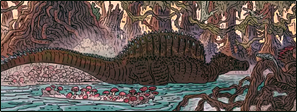
|
 
Most of Harbor's residents originally come from Sanctuary. As such, its population is just as diverse. You have people who come from high tech environments, where space travel is the norm, to people from societies whose place of origin has yet to even discover electricity. You might encounter anything from eloquent gryphons and nervous dragons, to space elves and plant people, all trying to scrape out a living in between the sea and the dinosaurs. There are two populations that Harbor has more of than Sanctuary, however. The most notable are the aquatic people. Sanctuary's frozen, monster ridden seas aren't safe to live in, even if they weren't frigid. Many water bound individuals who find themselves being rescued from their own worlds find themselves either migrating to one of the AotM's smaller settlements in another world, or to Harbor, where there is already an established aquatic community among the shelter of the reefs. The second group are reptiles, and other cold blooded beings, who find Harbor's perpetually warm climate much more preferable to Sanctuary's harsh winters. You also have non-organics, though they're a bit of a mixed bag. It's true that they don't have to worry about Crackle Storms in Harbor, but the humidity and salty sea air tend to get to some of them after a while, especially those prone to rust. Wherever they come from, it is important to note that much of Harbor's original population is made up of people who Sanctuary cast out, or who balked under the rules of the AotM. There's more freedom in Harbor, and some things are slowly changing for the better, but it can be a rough crowd to contend with, and residents not on their guard don't find themselves in pleasant positions.  (Click to Expand!)
THE OLD CITY

The ruins of the city first discovered in the Dome, which later were rebuilt into Harbor, seem to have been built by people who were technologically advanced enough to install functioning plumbing and electrical systems. Some had degraded beyond repair, but others were able to be salvaged, giving many of the buildings in the Old City luxuries like electric lighting and air conditioning. These buildings, made up out of their characteristic red stone, are strong and durable, despite the humid, salty environment. It's not currently apparent exactly what they're made from, but they've proven capable of withstanding many different kinds of weapon fire along with the elements. Today, most of those buildings are owned by the elite, including the Tyrant King, or by particularly profitable business enterprises catering to tourists from Sanctuary, though you'll find a scattered few on the other side of the inner wall as well. The Old City is kept far neater and more crime free than the Outer City, with lush parks and gardens, and regular trash removal. The docks, used mostly for the odd recreational vehicle, do not suffer from the same crowding or fishy smell as the Outer City's either, and are purposefully kept pristine to look good for tourists. Near the southern wall of the Old City, you can even find a friendly farmer's market selling local fruits, veggies, neatly packaged fish and meat, and artisan trinkets-- all for exorbitant prices, of course.
THE OUTER CITY

The Outer City is a lot less neat and tidy. While the main road leading up to Old City is kept meticulously clean-- as well as any tourist spots (marked by their blue roofs)-- the majority of the Outer City's cleanliness falls to individuals. There is some plumbing and electricity in the buildings closest to the Old City's walls, but the rest have to make due with their own installations, which can vary. The Outer City is populated from everyone from thieves to farmers, and which you'll get depends on the day and the wind. Not everyone is out to stab you in the back, but its still a rough crowd used to surviving the jungle, the dinosaurs, and each other. Tourists venturing from the designated 'safe areas' are on their own, and this is made clear when they arrive. But this part of the city is still a major draw for several reasons. The major one is that getting a house in the Old City is insanely expensive. The other is the markets. Getting local goods is more dangerous in the Outer City, but also more profitable. They're far cheaper than in the Old City, and you can buy one thing here that you mostly can't there-- dinosaurs. The Old City may sell the odd well bred pet or fancy mount, but they're rarely the big, lumbering creatures you can find in the dinosaur market in the Outer City. Here many of the dinosaurs are wild caught, meaning that you can procure yourself an adult dino rather than having to wait several years for one to reach full grown. Most hand raised dinosaurs large enough to act as mounts are still juveniles, since the city itself has only been around a short time. They might be big enough to carry one or two people still, but aren't nearly as impressive as the full grown version, and some people feel its worth the risk not to have to wait. But, if you're keen on raising your own, you can still find plenty of eggs and hatchlings to purchase in the market as well. Eggs tend to be a little cheaper than hatchlings, because there's never any guarantee that they'll actually hatch, or hatch healthy if they do.
THE JUNGLE

The Dome's jungle is deceptively large. Its landscape towards the beach is flatter, but the closer it gets to the point of the Dome, the more it forms ripples and caves and pits. Some are large enough to spot from a distance. Others are hidden by the rainforest's thick vegetation until its too late. In these places you will find things like green caves, where the light through the holes is enough for trees and plants and animal life to flourish, even in deep pits, making for surreal subterranean worlds all to their own. In some places things almost seem to be deliberately designed that way. The Dome's rainforest in general feels engineered wherever you look too closely. It's a strange, impossible patchwork of species and eras that logically should not be able to survive together, and yet they do. You will find the dinosaurs the Dome is so famous for, as well as plants and fungi from their eras, but you will also find many species more familiar to later times, like tapirs, tigers, and parrots. Most of the animals in the Dome seem to have been genetically adapted to live in this mixed ecosystem, either over time, or deliberately through scientific tampering. Most of the deep jungle is unmapped and unexplored, but many utilize the game trails the sauropods and other large animals leave while moving through the forest, which are often wide enough to make for reasonable navigation if one is careful.
PILLAR LAKE

Pillar Lake swallows the east side of the nearby ruins, and hugs Harbor's west side as fishing and swimming grounds, as well as the city's rice fields. The lake has a few big fish to worry about, but they tend to stay towards the deeper pockets. Its rocky borders on the jungle side, and thunder meadow on the ruin's side deter most large terrestrial predators from investigating the area too thoroughly. The biggest danger is the very thing the lake was named for. There are dozens of large pillars that poke up out of the waters, and beneath them are the submerged half of the Ruins. While the water is clear in many places, heavy rains or large fish can stir up sediment, and misjudging the depths of a ruin hole can mean your life. There are currents beneath the lips of some of those holes that can drown even the strongest swimmer, or suck them away down to dark, unknown labyrinths.
THE RUINS

Southwest of Pillar Lake is the drier half of the Dome's Ruins. The Ruins seem to be much older than even Harbor's original stone buildings, and in many places have almost dizzying, alien architecture, particularly the further down you go. And they go deep. Closer to the surface, you'll find the Sanctuary controlled tunnel to Harbor, as well as some others that are more secretive. Many of the mountain tunnels let out into the ruins. But the actual ruins themselves extend far below the natural tunnels. No one is sure yet just how deep. The deeper you go, the stranger the danger. There are rooms where gravity seems to simply stop working, and corridors patrolled by deadly mechanical guardians. There are vast store rooms full of bizarre weaponry and technology, preserved animals, and even elaborate clothing, there one day, and then gone the next time one returns. It's almost as if the deeper ruins may be constantly moving, but the riches they churn up are worth a king's ransom. Which is why, despite the danger, the Ruins attract slews of treasure hunters every year. Many don't make it back, but the ones who do often come back rich, and word spreads fast.
THUNDER MEADOW

South from the Ruins, and uphill, you can find Thunder Meadow. The meadow is named for the herds of sauropods that graze and nest there, keeping it rolling grasses and wildflowers rather than thick jungle by eating the vegetation or stomping it flat. You'll find other, smaller herbivores here often as well, enjoying the protection of the fierce giants from the jungle's many predators. During Sanctuary's Crackle Storm season, mammoths also join the herds, emerging from the rocky cave mouths at the top of the meadow. Having shed most of their fur, they look quite alien, and they spend a lot of time in the small, spring fed lake that drains into the swamp, coating themselves with protective mud and keeping cool. They usually give birth in the meadow before heading back to Sanctuary with their calves in the spring. The sauropods seem to have a somewhat symbiotic relationship with the mammoths, and they are very protective of one another's young. The occasional poacher has tried to snatch young mammoths or sauropods during mammoth season, only to be stomped into a fine paste for their efforts. It is ill advised, though can make you fairly rich if you can pull it off.
THE DEVIL'S SWIMMING HOLE

The Devil's Swimming Hole is a huge swamp on the far southeast side of the Dome. It's dangerous on a good day-- fog shrouded, muck filled, and easy to get lost. But the legends that surround the swamp, which may or may not be true, make it even more of a risky venture. Rumor has it that two very large spinosaurus aegyptiacus call the swamp home, the only ones that can be found within the Dome. Those who have seen them report the same markings every time, so the animals are either closely related, or the same individuals. These spinos are frighteningly smart, and possess the same voice mimicry skills as some of the smaller therapods in the area. They also seem to be nigh indestructible. Many have reported wounding them to the point of frightening them off, but they always reappear again some weeks after, having healed from injuries that should have been mortal. Some claim that they are guarding something, so of course you get the occasional foolish adventurer getting themselves eaten, but most of Harbor leaves the swamp alone. Fishing can be good there, though, and there are some rare plants that only grow in the Devil's Swimming Hole, but extreme caution is always advised.
SHARKTOOTH BAY

Sharktooth Bay is named for the wealth of shark's teeth that wash up on the beaches-- and likely, teeth from other, stranger beasts. Curiously, the bay's sand is not the same dark color as Sanctuary's beaches, despite being connected to the Obsidian sea through the shield. The shield that protects the Dome also seems to keep sand and nutrients inside of the bay, and the environment of the Obsidian Sea and its Leviathans out. There are gaps in the wall at the edge of the bay, and boats and people seem to be able to pass in and out of these gaps, though doing so may be ill advised. There is nothing to protect you from the constant Crackle Storms beyond the Dome, for one-- unlike Sanctuary, they happen nearly every hour. Two, the waters are deep at the edge, and the Leviathans are always waiting. But some people will park their boats just within the boundaries of the Dome and cast nets or lines to the other side, or push out unmanned barges loaded with glowstones to be recharged before reeling them back in. Fishing is also good within the 'tooth' of Sharktooth bay. The coral reef that spans much of its warm waters is home to all sorts of life, and deeper waters can provide substantial catches. The tip of the tooth comes to a rocky point where the waters can get rough, however. Swimming or boating near this point is not advised. This tip has been nick-named 'The Gnasher'. A little further south or north of the point are much more popular for recreation and shore fishing, with the south being the most popular spot. The north edge of the tooth is still open to the bay and its large predators, while the inlet on the south edge of the tooth is hemmed in against the wall by Lily Island, making its inhabitants much smaller and tamer.
LILY ISLAND

Lily Island is where the Harbor controlled tunnel to Sanctuary mainly comes out, though there are a few other branches that lead out elsewhere in the Dome too. Lily Island is the most popular, because the island seems to have a mini version of the Dome's wall around it, keeping the most dangerous of the Dome's animals and bad weather out. The Tyrant King has worked hard to make Lily Island appealing to outsiders too. Vetted vendors hawk roasting fish and fresh, tropical juices. Butterflies flit among the wildflowers planted outside of the island's lily pond. And on the pristine, white beach, there are complimentary beach chairs and umbrellas. A sturdy wooden bridge leads from the island to the beach, and from there, the trail through the jungle to Harbor begins. If you've paid for an official guide, the way is mostly easy-- they're used to listening for, and scaring off dinosaurs. If not? Well, it can be a harrowing trip on one's own, especially after nightfall, and you'll spend a lot of it dodging predators of both the animal and the people shaped variety.
THE WALL

Around all of this is The Wall. Dizzyingly high, and about 200 feet thick, the Dome's walls seem to be what project the 'dome' part of the Dome. The walls seem to be made from a material that looks like brass, but is far harder, almost indestructible. The Wall's innards tick quietly if one presses their ear to the surface. The pillars that break up the wall each have an embedded, faintly glowing 'node' atop them, protected by a thick metal cage and glass. The dome energy field that keeps out the cold and the Cracklers seems to be projected from these nodes, absorbing the wild magic from the storms and passing it harmlessly along to the field itself. If you catch a bad Crackler happening above the dome at night, you can even see the field shimmer a bit. The field is impermeable, except for the gaps in the wall where Sharktooth Bay meets the Obsidian Sea. Climbing up them is possible, though it's quite a ways-- about 1,500 feet, specifically. But the wind can get fierce on some sections of the wall, and you'll be sharing it with several species of pterosaur, which can grow quite large. A few brave, or perhaps slightly batty souls have built houses on the top of the wall, with pully systems to get them up and down. It's defensible, and there's no dangerous wildlife beyond the pterosaurs-- not to mention the stunning views, but all farming has to be done carefully in boxes, and who knows where they get their water, or what they do with their waste...  (Click to Expand!)
 THE TYRANT KING THE TYRANT KINGNo one knows the true face of the Tyrant King. He (or perhaps not he, there are speculations), disguises himself with the skulls and hides of various dinosaurs, donning elaborate and terrifying outfits every time he makes an appearance. One thing that is known, though, is that he is powerful. Not long ago, the Tyrant King and his gang swept through Harbor. The original founders vanished without a trace, and anyone else who tried to oppose his takeover met with grizzly ends, usually in the belly of his dinosaurs. The Tyrant King seems to have an almost supernatural affinity for the animals, and collects rare and dangerous specimens for his private menagerie in the jungle just off the southern most end of Sharktooth Bay. He has favorites, like the two Carnotaurus that often accompany him-- a big female named Cinder and a smaller male named Midas, or the scarred Tyrannosaur he favors for his arena fights, Outlaw. In some ways, the Tyrant King has made the city safer for visitors and its inhabitants. The Old City is declared safe grounds. Any public trouble and the Tyrant King's goons will make an example out of you. He's spruced up the tunnels leading to the Dome, created new infrastructure like garbage pickup and parks, and ensured that there are safe places for tourists to stay. But make no mistake, the Tyrant King is out for himself. The Old City is nice because his main estate perches over it all. He makes tourist popular areas safe because he wants their money and goods. Places where he doesn't often visit, like the outer limits and farm districts of the Outer City are left to their own devices, so long as they don't challenge him or interfere with his own needs.  THE SKY SKIMMERS THE SKY SKIMMERSThe Sky Skimmers mostly occupy scattered hamlets and houses at the top of the wall, choosing to live on their own or in distantly connected communities rather than in Harbor. As a whole, they tend to be a group more aligned with the AotM and Sanctuary, and will sometimes rescue those they find in danger on the ground below, be it from Dinosaurs or Harbor's less polite elements. Sky Skimmers tend to be people who are on the lighter, smaller size. They get around on pterosaurs-- quetzalcoatlus, hatzegopteryx, and arambourgiania specifically-- which are only capable of carrying so much weight. On top of that, the three species are rare within the Dome, and though they grow quickly, taming one from an egg takes a lot of time and work. Because of this, Sky Skimmer communities tend to share two or three big mounts between them, though pterosaurs, being one of the most intelligent species of dinosaur within the Dome, do have their favorite riders and will absolutely let others know when they are disliked. Beyond riding animals, Sky Skimmers also often raise smaller species of pterosaurs for hunting, message carrying, defense, and simply as pets. Sky Skimmer holds, as a result, tend to be quite loud places.  THE DREADNOUGHTS THE DREADNOUGHTSThe Dreadnoughts will claim that they are humble fishermen. They are pirates, pure and simple. They terrorize Sharktooth Bay, monopolizing the best fishing areas and looting any ship they think they can overpower. They seem to have some agreement with the Tyrant King, as certain marked tourist vehicles are left alone, but anyone else is fair game. The Dreadnoughts only seem to dock in Harbor to sell their goods or enjoy a night of drinking. Many of the crew of the Dreadnought flotilla are aquatic folk, and have their own dwellings somewhere in the reefs and waters of Sharktooth Bay itself. But it's rumored that the pirates also have a secret base hidden inside one of the massive pillars that form the wall. If they do, it must have been found, not made, as no attempts at damaging the wall or breaking off pieces have ever been achieved, and it begs the question-- why was it there to begin with? The mascot of the Dreadnoughts is the Mosasaur, and depictions of the animal can be found all over their flags and ships.  (Click to Expand!)
 Sizes SizesHarbor's streets seem to have been made for dinosaurs to easily pass through, so unlike Harbor, they can fit much bigger individuals (though getting through the tunnels to actually reach Harbor is a different challenge). Some areas, like crowded markets, may be more difficult than others, and most doorways in the Old City are still built for human sized individuals, or slightly larger. Establishments in the Outer City are a bit more accommodating, as the buildings are newer, and cater to the diverse shapes and sizes of the multiverse. Extremely large or heavy individuals may find challenges with some of the bamboo structures, and large buildings are still expensive to build, but many more places here also have accommodating outdoor structures that may be covered from the elements and made comfortable to make up for it. Riding & Walking Like Sanctuary, walking and riding animals are the most common way of getting around in Harbor. Unlike Sanctuary, though, you won't see many reindeer or sled dogs. Instead, there are dinosaurs. Most of the dinosaurs of the Dome are smaller than their ancestors typically, but what they've lost in size, they've made up for in intelligence, making them ideal mounts-- providing you can tame one. Dryosaurus, or 'Dryos', or dinosaurs with similar configurations and temperaments, are very popular. Dryos breed fast and are easy to tame whether they're hand raised or wild caught, so they usually make the top of the list. They're too small to carry most people directly, but they can be seen hauling carts, packs, or carrying palanquins all over the city. Those venturing into more dangerous territory, or to places outside of the city wall often opt for bulkier, tougher mounts. Sauropods are popular if you can afford one. Affectionately called 'Rumblers', most of the tamed sauropods in Harbor are still juveniles. Not quite as big as full grown adults, but still plenty large enough to carry one or two individuals. Wild caught adults are much bigger and flashier rides, but are far harder to tame, and extremely expensive to buy once they've been properly broken. 'Thumpers' such as the ankylosaurus are the second most popular option, particularly for those on a budget. Their broad, armored backs need specialized saddles, but make for a pretty comfortable ride once padded. They're steady animals, and not much scares them, more like a mule in temperament than a horse, and that clubbed tail provides plenty of protection in a pinch. Beyond this, you will see many other types of dinosaurs being ridden. Large therapods are a clear statement, though hard to tame and keep tame. Hadrosaurs are plentiful and beautiful, but are high spirited and spook easily. Ceratopsians are strong animals with built in protection, but tend to be very moody and opinionated creatures. It all really depends on a person's needs, and what they're willing to put up with in a mount. Non-dinosaur transportation options tend to favor water buffalo, but you'll see some horses here and there as well. Aquatic Vehicles Unlike Sanctuary, Harbor has full access to the waters of its bay without having to worry about attacks from Leviathans, though eerily, they will still sometimes watch swimmers or boats through the barrier. Boats range from simple canoes, to huge statement piece Spanish galleons, though the larger and more complex the boat, the more the price skyrockets. Most of the boats in Harbor are wind powered too. Smuggling in modern parts through Sanctuary and its Crackle Storms, then the tunnels is a dangerous and costly endeavor, though you will still see the occasional small yacht owned by the extremely wealthy. Boats that wish to venture into deeper waters must be equipped with additional protection and hull reinforcement. While the aquatic reptiles and large fish that patrol the depths of the bay are nowhere near the size or ferocity of leviathans, they are still large, inquisitive animals. Sometimes they will attempt to take a curious bite of passing ships, or attack vessels to get at their catches. Most animals can be deterred with a jab or two from a harpoon, though, or will simply tire themselves out on stronger hulls. Magically Powered Vehicles Magically powered vehicles are not as common in Harbor as in Sanctuary. It's often simply cheaper and easier to get a mount and a cart. Since the Dome is protected from the Crackle Storms outside, magic power things cannot draw on them as a source, and must have an alternative fuel to power them. Glowstones can still be purchased in the Dome, however, or brought with travelers, but they tend to cost twice as much as Sanctuary Glowstones. They must be activated outside of the bounds of the Dome's shielding, which often means floating them out on rafts into the Obsidian Sea and reeling them back in. Between the rough surf, pirates in the bay, and the Leviathans, many are lost. Tech Based Vehicles Tech fares a little better in Harbor than in Sanctuary, since there are no Crackle Storms to worry about. If it can be successfully smuggled in through the wilds of the Caldera and the tunnels, the biggest worries are the salt and humidity, and finding fuel. There aren't many places to say, drive a full fledged car in the Dome. The roads that exist are cobblestone or packed earth. But you can likely get away with a motorcycle here or there. For most people, however, it's just not incredibly convenient or cost effective, particularly when you get stuck behind a couple of much slower moving dinosaurs or a large crowd of foot traffic.  (Click to Expand!)
The Dome is a tropical environment, and therefore does not experience four seasons. Instead, it has a wet season, and a dry season. Unlike Sanctuary, the Dome doesn't have to worry about Crackle Storms either, as the energy field above it protects it from the outside environment while still allowing clear views of the sky above. Dry Season  Dry season runs from June to November. Dry season is the Dome's hotter season, and temperatures tend to hover around 85F-88F with occasional heat waves in between. Though it's called the 'dry' season, it still rains every day, just much less than the wet season, typically in short, light, breezy bursts towards the afternoon. Dry season runs from June to November. Dry season is the Dome's hotter season, and temperatures tend to hover around 85F-88F with occasional heat waves in between. Though it's called the 'dry' season, it still rains every day, just much less than the wet season, typically in short, light, breezy bursts towards the afternoon.But the late dry season can also bring stronger storms too, and winds and lightning without rain, which means fires, as things start to dry out and plants drop their leaves, are a constant risk. The air smells like drying mud and decaying plant life in this season, and leaves crunch beneath every step, making stealth for all creatures difficult. Dinosaurs and their crocodilian neighbors also mate and lay their eggs during this season. That makes for cranky, loud, territorial dinosaurs. More aggressive therapods can be found within the ruins, as the smaller ones like to nest there, and Thunder Meadow becomes a very dangerous place to be. The waters in the swampy Devil's Swimming Hole and Pillar lake get much lower, concentrating fish and the predators that prey on them. Paths in the jungle that are flooded during wet season become much more manageable by foot, and hunting becomes easier as animals gather around shrinking water sources. Out in the bay, bioluminescent algae blooms, making for beautiful night displays, and impromptu lantern festivals are popular over its waters. Wet Season  Wet season goes from around December to the end of May. It rains copiously during this season, and the sky is almost always overcast. Humidity spikes, and the air feels thick and heavy, and the forests and swamps often flood in places, making travel by canoe more realistic than walking. Temperatures are slightly cooler, though, generally ranging from 60F-80F. Wet season goes from around December to the end of May. It rains copiously during this season, and the sky is almost always overcast. Humidity spikes, and the air feels thick and heavy, and the forests and swamps often flood in places, making travel by canoe more realistic than walking. Temperatures are slightly cooler, though, generally ranging from 60F-80F.At the start of the season, animal and plant life picks up considerably. Almost everything that can flower does, fish spawn, turtles come to shore to lay their eggs, and the air is thick with the buzz and hum of frogs and insects. Including mosquitos. This season can bring heavy winds and thunderstorms too, though fires are unlikely with the amount of rain that tends to accompany them. The moisture and lightning strikes spread the spores of glowing fungi, however, and venturing out into the forest at night will reveal a ghostly, foxfire glow to just about every rocky crevice and fallen log. About mid season the mammoths arrive in Thunder Meadow, and stay until Sanctuary's Crackle Season is over. They are strange looking beasts at this time, having shed nearly all of their hair, and are often more mud than mammoth if they have any choice in the matter. They give birth while in the Dome, and both the mammoths and the sauropod herds they share the meadow with become very protective of the babies. Just before their return to Sanctuary, the mammoths gorge themselves, putting on significant weight to see them through the lingering cold when they return, until their hair can grow back. Hunters sometimes use this to lure males and mammoths without young away from the herd, tempting them with tasty fruits and vegetables until they're isolated for kill or capture.  (Click to Expand!)
Cenozoic Animals  Beyond the prehistoric animals the Dome is known for, Harbor and its surroundings are haven to a vast amount of animals from the cenozoic period, or the age of mammals. They seem to come from various rainforests across Earth, some having specially adapted for the Dome's unique habitat. Beyond the prehistoric animals the Dome is known for, Harbor and its surroundings are haven to a vast amount of animals from the cenozoic period, or the age of mammals. They seem to come from various rainforests across Earth, some having specially adapted for the Dome's unique habitat.Tigers and jaguars, for example, both exist within the Dome, though tigers tend to outclass jaguars in terms of strength, and both compete directly with prehistoric animals with more specialized hunting techniques, like the 'Mockers'. As such, the tigers most commonly occupy the Ruins and its sheltered tunnels. Larger therapods can't as easily climb through the rocks and debris, and the smaller therapods that nest there in the dry season, though fierce, are still weak enough to make easy prey for a hungry tiger. Jaguars, in contrast, have become very tree dependent, and are almost never found on the ground except when they ambush prey from above. Most carnivorous dinosaurs cannot easily follow them, so they remain the reigning hunter of the treetops. But you'll also find colorful parrots and hummingbirds, stocky tapirs, monkeys, harpy eagles, bats, sloths, toucans, kinkajous, and more snakes than you can shake a plane at. There are giant otters and capybaras around the lake and swamp, and okapis and pangolins in the forest. If it exists in a rainforest, you have a good chance of finding it in the Dome. It almost seems as if, like Sanctuary, someone built the Dome as some sort of strange ark to collect them. Prehistoric Animals  The Dome is flush with dinosaurs of all kinds. Many seem to have been modified from their original species-- they are smaller, more often, and sometimes are specially adapted for the Dome's habitat. But they're also markedly smarter-- sometimes frighteningly so. The Dome is flush with dinosaurs of all kinds. Many seem to have been modified from their original species-- they are smaller, more often, and sometimes are specially adapted for the Dome's habitat. But they're also markedly smarter-- sometimes frighteningly so.This has caused some species, like the sauropods, to form closer interspecies social bonds with herds of other sauropod species, and even with other herbivores who occupy the same territory as them, like the mammoths. In other species, like some mid-sized therapods, this has enabled them to mimic the sounds around them like parrots, including speech. They often use this to hunt. Some of the smartest 'dinosaurs' are the pterosaurs. The smaller species can and will use this to be a nuisance, and are very curious by nature. This can make the bigger species, some of which can grow to the size of a giraffe, very dangerous if threatened. They plan ahead, remember, and learn, and will communicate threats readily to other members of their flock. Luckily, even the larger pterosaurs aren't prone to hunting humans or other animals that are likely to damage their delicate wings and bones. They prefer smaller mammals, fish, and baby dinosaurs. Aquatic Life  The warm, tropical waters provide plenty of seafood for Harbor, and its reefs provide coral and pearls. But among the abundance there are dangers too. While the sharks in the deeper waters don't typically view humans as prey, this isn't the case with the mosasaurs and dunkleosteus they share their habitat with. The warm, tropical waters provide plenty of seafood for Harbor, and its reefs provide coral and pearls. But among the abundance there are dangers too. While the sharks in the deeper waters don't typically view humans as prey, this isn't the case with the mosasaurs and dunkleosteus they share their habitat with.Like the land, the Dome's waters are a mix of eras. Among the tuna you'll see muppet mouthed, small eyed palaeothunnus; the lobe finned rebellatrix; and more intimidating specimens, like the toothy xiphactinus. Long extinct varieties of angelfish and triggerfish flit in among colorful corals along with their more modern cousins, while ammonites and baculites drift above. In the swamp, flooded forests, and Pillar lake, you'll find various crocodilians, rainforest fish, amphibians-- and stranger creatures like the prionosuchus, mastodonsaurus, or beelzebufo. Insects  The Dome's insect life is colorful and diverse. One could spend a lifetime alone cataloging its vibrant population of butterflies. You'll also see leaf cutter and bullet ants-- the latter which packs quite the bite-- tarantulas, large beetles, and stick insects. Mosquitos are ever present. The Dome's insect life is colorful and diverse. One could spend a lifetime alone cataloging its vibrant population of butterflies. You'll also see leaf cutter and bullet ants-- the latter which packs quite the bite-- tarantulas, large beetles, and stick insects. Mosquitos are ever present.And of course, since it is the Dome, you'll also see dragonflies the size of your head, as well as cockroaches as big as your palm, and mayflies a little over 12 inches. Near the edges of The Devil's Swimming Hole, torso sized scorpions hunt rats, lizards, and other small animals. While rarer, centipedes big enough to overpower a small dog fill a specialized niche in the mouths of the caves and ruins of the area, dangling from the ceiling to catch any unfortunate bat, bird, or dinosaur that happens to pass through.  (Click to Expand!)
 For the most part in Harbor, might makes right. If you're the toughest, meanest thing in town, then you make the rules. For the most part in Harbor, might makes right. If you're the toughest, meanest thing in town, then you make the rules.Right now, that title falls to the Tyrant King, though many have attempted to take his place, and his laws get a little looser the further you get from the Old City. For the most parts, they are: ♛ Tourists make the city (and the Tyrant King) money. They bring in goods. They piss off the AotM. While they're in the Old City, on Lily Island, or any building marked with a blue roof, they're off limits. Anywhere else they're game. ♛ Same goes for if they've paid for an official city guide. If one of the Tyrant King's employees are with them, they're off limits. Off brand guides not under the Tyrant King's employ and their ducklings are not protected. ♛ Dangerous animals wear muzzles while in the Old City unless they've received an 'all clear' behavioral tag from Tyrant King officials. The Outer City is free reign. ♛ The Tyrant King's property, dinosaurs, direct employees, and friends are off limits. ♛ The Old City stays clean and free of messy public dealings. ♛ If the Tyrant King doesn't like you, you've got a target on your back. You take out someone who's pissed off the Tyrant King, and you curry some favor. Breaking these rules or crossing the Tyrant King in any way is likely to get you killed, or worse, made an example of. That doesn't always mean death either. Who do you think keeps the city streets clean? Of course, that doesn't always stop people, especially in a city like Harbor, but crossing the King is widely considered a foolish move. He's got muscle just about everywhere, both the person and the dinosaur kinds.  Blue Roof Inns & Hostels Around the city there are several buildings that have blue shingled rooftops. These are buildings owned by the Tyrant King designated for tourists. The hostels don't cost money, but do require various labor tasks in return for staying there, and aren't always terribly nice. The inns vary in range of price and amenities, but are usually more expensive than other inns within the same category. They are, however, both guaranteed to be safe and clean, and are patrolled by employees of the Tyrant King to ensure so. They are also often closer to nicer amenities and in better parts of town. You'll find other lodging in: The Crooked Flamingo, Rusty's Place, The Crow's Nest, Thunder Lizard Hunter's Lodge Other Notable Locations: Splash Nightclub, Hair of the Dog Pub, The Dinosaur Market, Lily's Boutique, Gilded Lagoon Exotics 
OOC Notes
(Select to Learn More)
Locals If you would like to play someone from Harbor, they can be from any walk of life or shade of morality. The den of villains thing is just to give those who play rougher characters more of a playground. Harbor has plenty of different kinds of people, from farmers, to dinosaur breeders, to people like the Sky Skimmers who live their own kind of life free from Harbor's rules on the top of the wall. It also has plenty of people who didn't choose Harbor. The Tyrant King and plenty of others will willingly capture people who crossed them or who were just in the wrong place at the wrong time to act as 'domestic helpers' to clean the streets, or serve in their homes, or in their crews-- in short, slaves, though they're rarely called that in public. Tourists also come and go from Harbor regularly without fuss. The only group that might find themselves in trouble are AotM agents. Harbor has a passionate hate for the AotM, and everything, even its tourist industry, is designed to undermine and irritate them. This doesn't mean that AotM agents can't visit Harbor, but they'll have to watch their back carefully while they're there. Questions & Answers (Select to Learn More)
Have a question about this world? Ask Jabber for an answer! ❔ Can my character drive a vehicle in Harbor? ❗Yes, though they may struggle with the mud, thick vegetation, and rough roads. Finding fuel and replacement parts may also be an issue, particularly if those replacement parts get hit with a Crackle Storm while being smuggled through Sanctuary's caldera to the tunnels. Rust is an ongoing problem too. Smaller vehicles fare better than larger ones in Harbor in general. ❔ Are there Crackle Storms in Harbor? ❗No, the Dome protects Harbor and the surrounding area from the Crackle Storms outside. If you go past the wall and through the protective shield on the ocean side, you will find yourself under near constant bombardment. You can often see the storms flickering across the top of the Dome's energy field at night. Technology here is safe, if you can get it into Harbor. The only threats it faces after that are mundane ones such as humidity, salt air, and theft. Power sources can be tricky though unless you're wealthy or creative. ❔What year is it? ❗ Depends on where you are! Time and interdimensional travel can make things tricky, and places like Harbor aren't yet organized enough to have settled on a specific calendar system. Both Harbor and Sanctuary tend to go by Earth's Roman calendar in terms of months and days, however-- so June, July, etc. But only the Omphalos and its agents are officially on, 'Year Two' or 0002. It's a lot harder to get Harbor's myriad of citizens to agree on a year, and you're likely to get different answers from different people, particularly if they're new arrivals. ❔How is garbage and waste handled? How about water? ❗ Plumbing and waste are handled differently in the Old City vs the Outer City. In the Old City, much of the infrastructure of the original buildings have remained mostly intact. What wasn't was repaired was repurposed. This means sinks, toilets, and showers like you might find in many modern cities and a class of citizens that live in relative luxury compared to the rest of the city. However, it also carries the downside that if something seriously breaks, then no one knows how to fix it, because as of yet, no one knows where the water comes from, or where the waste goes when its flushed away. But, it has been a couple of years since the city was rediscovered, and nothing's broken down or backed up yet. Buildings in the Old City that don't have the original plumbing have terra cotta pipes that empty out into a cesspit in the Outer City, which is cleaned out occasionally and dumped in the jungle, usually in one of the natural pits or caves. Water is typically gained through rainwater harvesting of various sorts. The same individuals who are made to clean out the cesspits-- typically enemies the Tyrant King has decided to humiliate instead of kill-- are forced to clean the Old City's streets of garbage and debris each night as well, under guard. The Outer City is a bit more of a free for all. Some have gotten clever and engineered their own pipe systems or rainwater harvesters, but others simply gather their water where they can, or buy it from safe sources. Outhouses are common, as are communal waste and garbage pits out in the jungle. Tidbits & Trivia (Click to Expand)
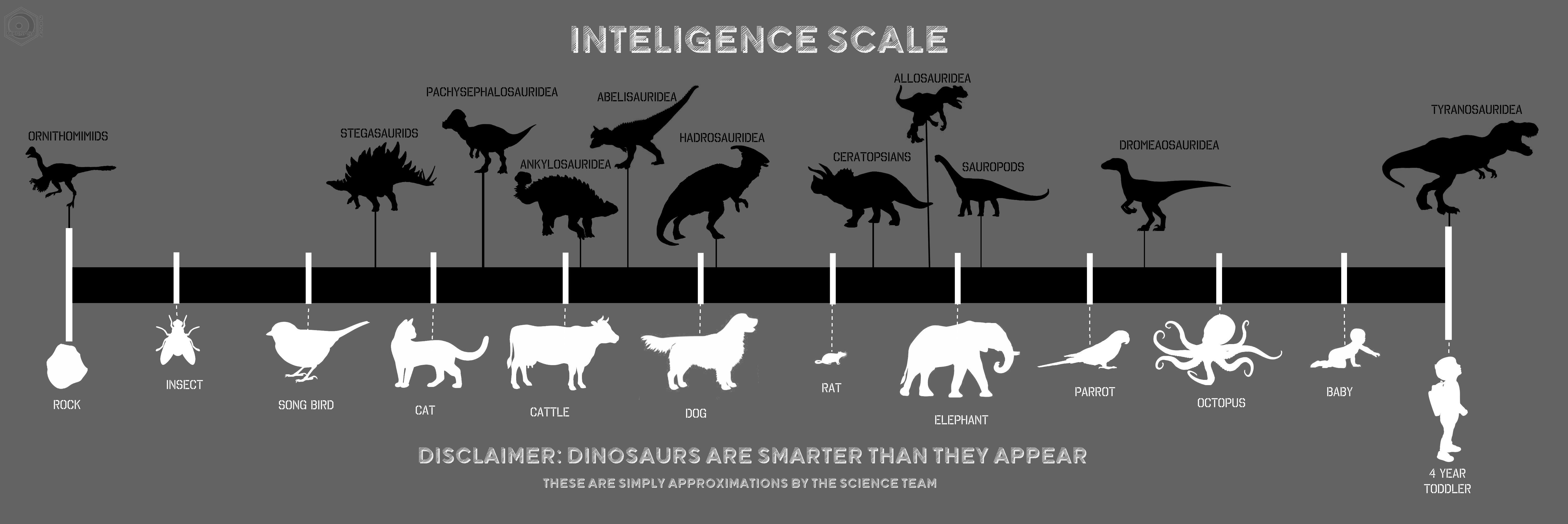
♛ People in the Dome often smell of patchouli, as oil from the plant is used to make a potent insect repelling lotion essential for keeping mosquitos away. Research Files Nothing Currently Dossiers & Logs Nothing Currently Maps & Locations Map of Harbor & The Dome Art & Artifacts Dino Intelligence Scale by Mikonasa |
Want to submit a world file of your own? Check out this guide here!




(ABOUT GLOWSTONES)
Though Crackle Storms can be dangerous, and even deadly, they do have some useful byproducts. One of the most notable is Sanctuary's main source of light: glowstones. Harbor has glowstones too, but making them locally is much more difficult, as the only direct access they have to the Crackle Storms is through the sea gates past Sharktooth Bay, and they must be initially activated by a Crackle Storm, even if they are recharged by other means later. The Crackle Storms just outside of the Dome are near constant, so sailing out on manned vessels is impossible, even if it weren't for the waiting Leviathans. Instead they must pile the stones onto a raft or a similar vessel that is open to the sky and float them out before reeling them back once they're activated. Understandably, a lot of these stones wind up being lost between the monsters and the choppy seas. Because of this, glowstones in Harbor are often twice as much as they would be in Sanctuary. Glowstones are made from rocks and minerals that are capable of absorbing a crackle storm's wild energies. They then slowly release these energies again in a more controlled and safe fashion in the form of light. This light generally lasts about a month before they must be recharged. Glowstones can either get their charge from another crackle storm, or once activated by their first storm, be recharged with any sort of magic that can be poured into them. Because they produce bright light without the dangers of fire, do not smoke, and are fairly plentiful, they are often chosen for lighting places over wasting valuable fuel. They also do not go out when wet-- an important detail in a rainy place like the Dome. You can read more about different glowstone types and their effects on Sanctuary's trade goods page. [/font][/justify] (TRADE GOODS)
Priced for a 2" size About the size of a walnut Common Quartz & Selenite - Clear White Light - 2-4 Copper Aragonite - White, Pink, or Blue Light - 14 Copper Aventurine - Seafoam Green Light - 16 Copper Agate - Stained Glass Effect - 2 Silver Sodalite - Firefly Effect - 5 Silver Amethyst - Warm Purple Light - 6 Silver Citrine - Comforting Amber Light - 8 Silver Smoky Quartz - Dim Light, Unique Sepia Effect - 8 Silver Spirit Quartz - Starlight Effect - 1 Gold, 2 Copper Fluorite - Varying Colors & Lights - 1 Gold, 2 Silver Scheelite - Ghostly Blue Light - 1 Gold, 8 Silver Topaz - Vivid Pink Light with Purple Facets - 2 Gold Tourmaline - Various Colors & Lights - 2 Gold, 4 Silver Sphalerite - Various Colors in Vivid Neon, Shallow Light Cast - 3 Gold Rutilated Quartz - Golden, Scattered Light - 3 Gold, 6 Silver Rose Quartz - Warm, Rosey Light, Said to Stabilize Moods - 4 Gold Esperite - Alien Yellow-Green - 5 Gold Strawberry Quartz - Jammy Red Light - 5 Gold Common Opals - Quiet, shimmering rainbow light - 6 Gold Hackmanite - Blacklight Effect - 8 Gold Iris Quartz - Vivid, Scattered Rainbows - 8 Gold Prasiolite - Sunny Green Light - 14 Gold Cat's Eye Quartz - Focused, Powerful Beam - 18 Gold Ametrine - Bisected Purple and Gold Light - 18 Gold Blue Quartz - Otherworldly Blue Light - 24 Gold Priced for a 7mm size About the size of a Pea Beryl - Minty Green Light - 2 Gold Phenakite - Beacon Like, Purple, Orange, or Pink - 9 Gold Boracite - Seafoam - Seems to Repel Leviathans - 20 Gold 
(WAYS TO ADVENTURE)
Dinosaur Hunting Dinosaurs are Harbor's biggest commodity, both living and dead-- though many will pay much more for a living dinosaur, especially breeding pairs, eggs, or juveniles young enough to be hand reared. Some are worth more than others, like sauropods, and middling to large therapods. Dinosaur parts are also a big trade in the Dome though. Teeth and claws for knives and machetes; hide for clothing, saddles, and shields; and bones for everything from tools, to fine china, to glue and building materials. Some large pterosaur sails are even used on small sailing ships. Trophies are also popular too. The more dangerous the hunt, the bigger the bragging rights. Treasure Hunting Within the caves and ruins in and beneath the Dome lie many ancient secrets and rare treasures. The Ruins by Pillar Lake especially hold everything from ancient technology to caches of treasure, goods, and even strange animals kept in stasis. The deeper you delve, the greater the reward, and the greater the danger. Trading Gathering the bounty of the jungle and selling it at Harbor's markets can net you a good amount of money, but the real profit is in getting your goods to Sanctuary. Between the jungle, bandits looking to take their cut, and fending off the caldera's own predators once you get through the tunnels, this can be a challenging feat. But that just means you can charge more if you can get everything to Sanctuary in one piece. (TRADE GOODS)
A Woven Sunhat - 3 Copper, A Sealed Drinking Gourd - 4 Copper, Palm Oil (1oz) - 5 Copper, A Bamboo Sleeping Mat - 6 Copper, Coconut Oil (1oz) - 6 Copper, Coconut Fiber Rope (10 Feet) - 6 Copper Latex (1oz) - 1 Silver, A Simple Fishing Pole and Hook - 1 Silver, 8 Copper, Leech Socks - 2 Silver, 5 Copper, Rubber Sandals - 3 Silver, An Oil Lamp - 3 Silver, Mosquito Netting (per yard) - 3 Silver, A Hemp Fabric Shirt - 3 Silver, Imported Bug Spray (24 oz Bottle) - 3 Silver, 5 Copper, An Oviraptor Leather Vest - 3 Silver, 5 Copper, Raffia Shoes - 3 Silver, 5 Copper, Imported Sunscreen (3oz) - 3 Silver, 6 Copper, A Cotton Shirt - 4 Silver, Fishskin Gloves - 4 Silver, 5 Copper, Imported Water Filter Straw - 4 Silver, 5 Copper, 24 Pack of AA Batteries - 4 Silver, 8 Copper, A Pair of Rubber Boots - 5 Silver, A Jute Hammock - 5 Silver, Deinonychus Climbing Claws - 5 Silver, 7 Copper, A Dinosaur Tooth Knife - 6 Silver, A Woven Fishing Net - 6 Silver, A Waterproof Backpack - 6 Silver, 5 Copper, Imported Rain Hat - 6 Silver, 5 Copper, Gunpowder (1lb Can) - 6 Silver, 5 Copper, Therizinosaurus Claw Machete - 6 Silver, 7 Copper, A Weighted Throwing Net - 7 Silver, Imported Brass Compass - 7 Silver, 5 Gold, Parasaurolophus Bone Horn - 7 Silver, 5 Copper, A Small Tent - 8 Silver, A Jusi Fabric Shirt - 8 Silver, Ankylosaurus Tail Club - 8 Silver, 8 Copper, Sauropod Leather Shield - 8 Silver, 9 Copper, A Sinew Fishing Net - 9 Silver, Imported Umbrella - 9 Silver Imported Sun Shirt - 1 Gold, Imported Water Shoe - 1 Gold, 2 Silver, Imported Headlamp - 1 Gold, 3 Silver, A Steel Machete - 2 Gold, Imported Trekking Pants - 2 Gold, Imported Rain Poncho - 2 Gold, 2 Silver, Imported Camp Stove - 2 Gold, 5 Silver, Imported Boots - 3 Gold, Imported Waterproof Tarp - 3 Gold, 1 Silver, Imported Multitool - 3 Gold, 4 Silver, Imported Jungle Sleeping Bag - 4 Gold, Imported Waterproof Backpack - 4 Gold, 2 Silver, A Simple Canoe - 4 Gold, 8 Silver, A Flintlock Pistol - 5 Gold, Caiman Leather Boots - 6 Gold, A Hand Crank Flashlight - 6 Gold, A Blunderbuss - 7 Gold, A Pneumatic Harpoon Gun - 7 Gold, A Basic Rowboat - 8 Gold, Wyrm Breath Whetstone & Firestarter - 9 Gold, Portable Solar Cell - 12 Gold, Shark Leather Boots - 15 Gold, DrySpell Enchanted Waterproof Cloak - 15 Gold, Swiftfoot Enchanted Mud Boots - 20 Gold, A Small Outrigger Boat - 25 Gold, Pest Barrier Enchanted Bug Proof Amulet - 25 Gold, Dew Drop Enchanted Water Purifying Canteen - 40 Gold, A Modern Revolver - 50 Gold, A Modern Rifle - 120 Gold 
(DOMESTICATED ANIMALS)

While there are many kinds of domesticated animals and 'tame' animals in Harbor, dinosaurs take up a large number of companions and beasts of burden. Because many of these animals are so large, most common people outside of the very wealthy don't have private enclosures for them, but house them in community facilities for a monthly fee. These facilities will often group compatible female dinosaurs together and allow them to socialize, and separate any males with overly territorial traits. Males are more expensive to house than females unless they have been neutered, which makes many of them far more docile. However, this is rare, as it requires a complex operation to be performed on an extremely large animal. It's expensive, and losing your dinosaur in the process is not impossible. Typically, it is most often performed on large carnivorous therapods. It should also be noted that any carnivorous dinosaur over the size of a medium sized dog is required to wear a muzzle while in the Old City unless they have been granted a special license of 'good behavior' by the Tyrant King. Many also keep the more aggressive breeds more docile with a special sedative powder mixed into their food known as 'Kalm'. No one is quite sure what goes into 'Kalm', as the Tyrant King keeps the formula secret and is the only one to dole it out-- another way he keeps control over the area-- but it works well. Mockers - Mid-Sized Carnivorous Theropods Majungasaurus, Concavenator, Ceratosaurus, Dilophosaurus, Utahraptor, cryolophosaurus, Ceratosaurus, Rajasaurus, Herrerasaurus, Berberosaurus, Carnotaurus Dangerous, carnivorous dinosaurs capable of mimicking speech. The smaller ones often hunt in packs of 4-5. The larger ones in pairs. They are highly social and often used for mounts and as fighting animals, but require a firm hand. (CLICK TO READ MORE)
Many of the smaller species of theropods have developed a unique and deadly adaptation-- mimicry. The smallest species are usually fairly harmless, and tend to mimic for the purpose of courtship displays or hunting small animals. But other species are large enough to be a threat to travelers, and over the last few years have learned to mimic everything from cries for help to gunshot sounds, both for communication amongst each other, and to lure prey into an ambush. Several species of 'Mocker' are large enough to act as mounts or guard animals. They can be wild caught as adults, but in most cases remain dangerous and opportunistic, especially for those without a firm hand. Eggs and hand reared Mockers are much easier to work with. Their high intelligence and unique environment have shaped these dinosaurs into highly social animals capable of forming strong bonds of loyalty to their handlers. They also grow fairly fast as long as they're well fed, reaching adult size by the end of their first year, though they grow more slowly in the wild. Mockers, like their larger counterparts, are required to wear muzzles within the Old City while out and about unless they have received a special tag from the Tyrant King. Thumpers - Armored Dinosaurs Ankylosaurus, Cedarpelta, Edmontonia, Hesperosaurus, Panoplosaurus, Sauropelta The natural armor of these dinosaurs along with their naturally stalwart natures makes them sturdy mounts. They are also relatively easy to raise from eggs and to tame wild. As a bonus, the clubbed tail of species like the ankylosaurus makes predators think twice. (CLICK TO READ MORE)
When someone from Harbor mentions a Thumper, they're usually referring to an Ankylosaurus and its clubbed tail, but there are a range of dinosaurs that fall under this local name, including plated dinosaurs like stegosaurus. The dinosaurs in this group that are most often domesticated are those with relatively blunt back armor, which allows for them to be ridden or used as pack animals with the addition of a special saddle made from the tough hide of sauropods. The occasional plated dinosaur is used too, typically with a number of their plates surgically removed to make room for a saddle, but its widely considered cheaper and easier just to use a 'flat backed' Thumper. Plated dinosaurs tend to be more vanity projects than practical companions, and its not unusual to see those who have been domesticated extra painted up and decorated. Thumpers are valued for their steadfast nature. Their first instinct when faced with a threat is to hunker down and let their armor protect them, so they aren't prone to bolting. Some of the breeds with tail weapons also tend to be very protective if treated right, and will actively square up with a predator when something it cares about is threatened. Their natures can turn stubborn if not treated well, however. They're not prone to attacking, but they absolutely will plant themselves somewhere and refuse to move or damage nearby walls and furniture with their tails or bodies in threat displays. Like most dinosaurs, they can be wild caught or tamed from eggs or hatchlings. Thumpers are fairly easy to tame with the right motivation in either case, with a slight lead from hand raised dinosaurs. Like the Mockers, captive Thumpers who are well fed will reach full size within a year.[/font] Rumblers - Sauropods Shunosaurus, Saltasaurus, Diplodocus, Nigersaurus, Brachytrachelopan, Brontomerus, Apatosaurus, Agustinia Sauropods as a whole are some of the most dangerous animals within the Dome. Though smaller than their extinct cousins, they are still as a whole very large animals, highly intelligent, and tend to hold grudges. (CLICK TO READ MORE)
The sauropods you will encounter within the Dome are markedly different in many ways. Though many of them are still large, they are much smaller than their Earth ancestors. Most sauropods also have the intelligence, and many of the social habits, of elephants. They are capable of complex problem solving, rapid communication, working together, and holding grudges. These qualities are also why they make prized companions in the Dome. With a sauropod on your side, you have a lot higher chances of surviving encounters with the area's various predators and the less friendly denizens of Harbor. They are also hunted for their thick, tough hides and sturdy bones. Some sauropods also carry 'Dragon Stones' in their stomachs-- polished, light green gemstones that are sometimes as big as a fist. These are prized for their beauty, but also because they seem capable of neutralizing poisons upon contact. Dragon Stones, however, are exceedingly rare, and usually only found in the biggest and oldest sauropods. Many of the larger species of sauropod are found up in Thunder Meadow in mixed species herds, including mammoths when Sanctuary's crackle storm season comes along. The area is extremely dangerous, particularly when the herds are with young. But some smaller sauropods, as well as lone males from the larger species, can be found in the jungles too, often forging game trails utilized by other animals and travelers passing through. Like many of the Dome's dinosaurs, the sauropods have an interesting growth rate. In the wilds, they grow slowly, but captured sauropods with more access to rich food will often reach full adult size within two to three years. The preference for many are hand raised sauropods, even if they are on the smaller size at first. It's possible to capture and 'break' an adult, but they often suffer from psychological issues and unpredictable personalities as a result. Sauropod meat is very cheap in Harbor. Whenever a kill is made it floods the markets, not just because of the size of the animals, but because generally it's not very good. Sauropod meat is tough and greasy and is generally considered a poverty food. It can be cooked down to something palatable by a clever chef, however. Thick-Beaks - Oviraptors Nicknamed for their prominent beaks, oviraptors are a primary food source in Harbor. They breed well, are fairly manageable animals, and they taste like beef. They are not incredibly intelligent. (CLICK TO READ MORE)
The Oviraptors of the Dome are some of the few dinosaurs that didn't seem to get the memo for an intelligence upgrade like the others. While they would have been on the 'smarter' side compared to other dinosaurs in their own time, they have about the equivalent cognition of a barnyard chicken. While that still makes them smarter than most people will give them credit for, compared to the elephant like sauropods or the speech mimicking theropods, comparatively, they feel about as intelligent as a rock. They're also flighty animals, and will turn and run from any perceived danger outside of nesting time, which makes them poor mounts. Which is why most people use them for food. As a food source, they're extremely popular. They're plentiful in the wild, grow fast, and they taste a bit like ostrich, which to the uninitiated, is the beef of the birds. They also produce huge eggs that are both used as a food source and for art. Carved and painted dinosaur eggs are very popular with tourists from Sanctuary. While there are a few larger Ovi Ranches, many households also have at least one breeding pair for eggs and meat. Feathers are also a bi-product of this animal, but don't always serve much use in a high humidity environment like the Dome. More often they are traded to Sanctuary to make blankets and mattresses for those who dare the journey.[/font] Tyrants - Large Carnivorous Theropods Tyrannosaurus Rex, Yutyrannus, Carcharodontosaurus, Acrocanthosaurus, Bahariasaurus The tyrants of the jungle; large, carnivorous theropods like Tyrannosaurus are surprisingly hard to track and find, and extremely dangerous when cornered. They're deceptively smart, powerful animals, and definitely a status symbol for those who can tame or buy one. (CLICK TO READ MORE)
Tyrants are deadly enemies to make. They remember faces for many years and will enact revenge if wronged long after the event. They're surprisingly stealthy for their size, and wickedly smart. Most of them are ambush predators, preferring to melt into the jungle and strike when a target is most vulnerable-- a silent hunter in the shadows. You will not get the warning of a roar and a chase, only sudden jaws from above. They're also surprisingly shy when not hunting or actively pursuing a grudge, making it hard to tell how many of any given species are present in the Dome. They are mostly solitary hunters as adults, but will sometimes pair up with a mate or their young before they are grown enough to drive away. They can be raised from eggs or captured juveniles, or (rarely) wild caught if the adult is a particularly tractable specimen, but they're difficult to handle in all cases, and even more when wild. Tyrants may express affection or even loyalty to one or two individuals they are heavily familiar with, but this loyalty rarely extends to strangers. The males are also highly territorial and will actively try to fight other males they encounter. Most Tyrant handlers dose their animals' daily meals with a mild sedative to keep them docile. They also eat a lot, and as such, tend to be the vanity pets of the rich who can afford the upkeep. Many also employ special handlers for their Tyrants, who maintain training and care. Pterosaurs While not often seen in Harbor, pterosaurs are a staple companion animal for others, like those who live on the top of the walls. Many are used as hunting companions and scouts, but a few of the larger breeds can take lighter riders while flying. (CLICK TO READ MORE)
Pterosaur territory is mostly at the tops of the Dome's walls, out of the reach of the larger, more terrestrial predators below. You will also find smaller species in the trees, ruins, and crags all over the Dome, and the occasional larger pterosaur resting on the beach during quieter times. Sky Skimmers-- those who work with and ride the beasts-- also make their homes at the top of the wall, and often use large pterosaurs or pully systems to reach it. They are fairly dug in up there, and often route the attempts of uninvited guests to establish territory, which means they have the market on pterosaurs fairly cornered too. Sky Skimmers will often bring smaller pterosaurs to market in Harbor, usually to sell as exotic pets or messenger animals, though several of the mid-sized species are good for fishing or pest control in fields. The larger species, such as Quetzalcoatlus are fiercely guarded and flown almost exclusively by the Sky Skimmers. They and other similar giant breeds are rare in the Dome to begin with. Your best bet (if you are light enough to ride one), is to join up with the Sky Skimmers, or hope to get your hands on an egg or a hatchling. Very rarely, you can also find adults on the more remote parts of the wall, though getting up there is dangerous, and species like the Quetzalcoatlus are intelligent and proud. They are, however, extremely food motivated. Other Dinosaurs There are few dinosaurs that the denizens of Harbor haven't at least attempted to tame, from the stubborn ceratopsians to the crow-like archaeopteryx, you'll find at least one individual who has one as a mount or a trophy pet. Success, however, may vary. (CLICK TO READ MORE)
Starting at the small end of the spectrum, you'll find Archaeopteryx. Archies are popular pets around Harbor, especially among children, mostly because, like crows, they're absolutely everywhere. They're inquisitive little creatures and easily won over with food by the flockful. Some consider the Archaeopteryx a pest, as they will get into garbage, but farmers are fond of them, because unlike crows, they usually prefer bugs and small rodents to crops. Next you have Dryosaurus or Dryos, which make up the bulk of cheap pack animals in Harbor. They aren't large enough for a rider, but they pull a cart just fine, and can wear packs for goods. They also have a habit of hunkering when threatened to blend in rather than bolting. They can be hand raised or wild caught and are fairly easy going. The bulk of other dinosaurs are a mixed bag, especially the ceratopsians. While technically possible to tame and even ride, they're extremely stubborn and opinionated animals, so they aren't very popular. Manage to befriend one though, and you'll never find a more loyal companion. They'll even protect smaller dinosaurs in their 'herds'. Their size and natural weaponry makes bad moods extra dangerous, however. Spinos are also not commonly seen. Not only are they a large, dangerous carnivore, they seem to be fairly rare within the Dome. You'll find a few smaller specimens in the Devil's Swimming Hole and other flooded places, but the only members of the larger species seem to be the swamp's mysterious guardians. Non-Dinosaurs You'll also find many other non-dinosaur animals both as pets and livestock within the Dome. Water Bufflo are very popular, as are ducks, chickens, various lizards and parrots, and even the occasional tiger-- though that rarely ends well. (CLICK TO READ MORE)
Dinosaurs are what people come to Harbor to see, but Water Buffalos are the city's lifeblood. They can be ridden, pull carts, and used for dairy or meat. They're hardy and placid, and don't at all mind the wet, and they seem to be plentiful in the area. You'll also see chickens and ducks, which do equally well in Habor, though vegetable farmers tend to prefer ducks over chickens because they can double as pest control without harming crops. There's no end of parrots either, or little lizard pets. Sugar Gliders are popular-- tree frogs, and the occasional boa constrictor too-- as are tarantulas and hermit crabs. Other, more exotic pets are sold and kept in Harbor, but their sale doesn't always end happily, either for the animal, or the unfortunate holder of the leash. Pigs have been imported for food, as have select breeds of cattle, sheep, and goats bred for high heat and high humidity. You will also see the occasional equine, but they don't always do as well in the Dome, as many of them are Sanctuary bred and meant for the cold. Because dinosaurs or water buffalo are more popular overall as mounts, there isn't as much incentive to import more warm weather hardy breeds. (TRADE GOODS)
Care & Transport 'Kalm' Sedative Powder (1lb) - 1 Silver Ankylosaurus Blinders - 2 Silver, 5 Copper Anti-Pest Hide Salve (Fat-Based, 1lb Tin) - 3 Silver, 6 Copper A Woven Rattan Muzzle - 4 Silver A Dryosaurus Harness - 5 Silver A Bullhook - 6 Silver A Utahraptor Bridle - 7 Silver, 5 Copper A Utahraptor Muzzle - 1 Gold Sauropod Leg Shackles - 1 Gold, 2 Silver A Dyrosaurus Saddlebag - 1 Gold, 4 Silver An Ankylosaurus Saddle & Pad - 2 Gold A Reinforced Rex Muzzle - 3 Gold A Dryosaurus Palanquin - 6 Gold A Basic Sauropod Saddle - 20 Gold Reinforced Sauropod Saddlebags - 25 Gold A Specialized Rex Saddle - 25 Gold Live Prehistoric A Wild Archaeopteryx (Untrained) - 1 Silver, 5 Copper A Tame Archaeopteryx - 4 Silver A Boa Constrictor - 4 Silver, 5 Copper An Oviraptor Egg - 5 Silver A Pet Chaoyang Lizard (Chaoyangsaurus) - 5 Silver A Dryosaurus Egg - 7 Silver A Dryosaurus Hatchling - 8 Silver A Capuchin Monkey - 1 Gold An Oviraptor Chick - 1 Gold, 5 Silver A Trained Adult Dryosarus - 2 Gold A Trained Fishing Pterosaur (Hawk or Eagle Sized) - 4 Gold A Wild Caught Adult Utahraptor (Untrained) - 4 Gold A Utahraptor Egg - 5 Gold A Utahraptor Chick - 6 Gold An Ocelot - 8 Gold A Sauropod Egg - 9 Gold An Adult Oviraptor - 15 Gold An Adult, Wild Caught T-Rex (Untrained) - 1 Jade An Adult, Trained Utahraptor - 1 Jade A Juvenile Sauropod - 1 Jade A T-Rex Egg - 2 Jade A T-Rex Hatchling - 3 Jade A Broken Adult Sauropod - 5 Jade An Adult, Trained T-Rex - 9 Jade Live Other A Pet Tuatara or Iguana - 5 Copper A Chicken (Sumatran or Fayoumi Breeds) - 2 Silver A Pet Macaw - 2 Silver, 5 Copper A Duck (Muscovy or Indian Runner Breeds) - 3 Silver A Goat (Kiko or Katjang Breeds) - 1 Gold, 5 Silver A Pig (Ossabaw Island Hog or Piau) - 3 Gold A Sheep ('Hair' Breeds only, like St. Croix) - 4 Gold A Water Buffalo - 10 Gold Hunting Parrot Feathers (1 Dozen) - 5 Copper A Picuro Hide - 2 Silver A Bag of Dinosaur Feathers (1lb) - 2 Silver Bat Guano (1lb bag) - 3 Silver, 5 Copper Fish Leather (per square foot) - 4 Silver Sauropod Leather (per square foot) - 6 Silver 1 Large Therapod Tooth (Like t-rex) - 7 Silver 1 Raptor Toe-Sickle - 1 Gold 
(RELAXATION & FUN)
Splash Nightclub & Bioluminescent Bay Splash is Harbor's biggest nightclub, and its most technologically advanced. Located in the Old City, right up against the water, the inside is refreshing and air conditioned, while offering safe, private places to swim and sunbathe on the outside near Sharktooth Bay. Named the Bioluminescent Bay, this private swimming area is flanked by terraces that light up at night with the very algae the club uses in the glowing body paint it sells. The club is also accessible to aquatic beings, via tunnels, canals, and even a water ladder that leads all the way up to the garden on the roof. Sauropod Tours - 1 Gold, 5 Silver Sauropod tours are popular with tourists wanting to experience dinosaurs without the risk or the cost. Half the day is spent riding the animals on a nature tour of the local jungle, and the rest is spent participating in the feeding, bathing, and general care of the animals after. A few even include baby sauropods, or egg hatchings. Some of these tours are more ethical than others, particularly the ones who utilize adult, 'broken' sauropods captured from the wild to appear more impressive. These animals are extra unpredictable, and accidents happen often, especially when they're overworked. Night Excursion - 7 Gold Per Night While the jungle is far too dangerous for most untrained individuals to venture into at night, the area near Thunder Meadow is somewhat safer. Bordered by caves and rocky landscapes on three of its sides, and the ruins on the fourth, it's fairly penned in, and is much harder for large predators to venture up into without being flattened by watchful herbivores. Smaller creatures, like humans and other sapients, fare a little better if they're careful. The trek is made to the meadow on foot in the daytime when its safer. The rest of the afternoon is spent observing the local fauna and flora at the edge of the meadow. When night falls, camp is made in special treehouse platforms up in the large trees bordering the meadow. Dinner is served on a central platform, then the lights are put out so that guests may see the stars and the many different bioluminescent fungi that grow below. Guests spend overnight in the treehouses, listening to the sounds of the jungle beyond and the dinosaurs (and sometimes mammoths) in the meadow before trekking back to Harbor in the morning. The Tunnels The Tunnels leading back to Sanctuary are mostly Harbor controlled, and the denizens of the Dome have made themselves at home there. There is the Hall of the Mountain King, where one can participate in anything from dinosaur fights to gladiator battles; cave tours; and plenty of goods and wares to buy, from the strange, to the mundane, to the dubiously ethical. (TRADE GOODS)
Tumeric Yellow Dye (50 grams) - 3 Copper Annatto Red Dye (50 grams) - 7 Copper Soapnut Shampoo Bar (4oz) - 1 Silver, 1 Copper Scented Shea Butter Soap (4oz) - 2 Silver Sanctuary Walnuts (1lb) - 2 Silver A Local Chocolate Bar - 2 Silver, 1 Copper Indigo Dye (50 grams) - 2 Silver, 2 Copper Ghee Based Lotion (1 oz) - 2 Silver, 2 Copper An Imported Scented Votive Candle - 3 Silver Dried Tobacco (1 lb) - 3 Silver Cocoa Butter (1lb) - 3 Silver, 5 Copper Infused Stingless Bee Honey (4oz) - 3 Silver, 8 Copper A Candleberry Candle (4oz) - 4 Silver Local Bubble Bath (8oz) - 4 Silver, 5 Copper An Imported Bag of Potato Chips - 4 Silver, 5 Copper An Imported Candy Bar - 4 Silver, 5 Copper An Imported Soft Cover Book - 4 Silver, 5 Copper Sanctuary Apples (1lb) - 4 Silver, 5 Copper A Jarina Seed Necklace - 5 Silver, 7 Copper A Hornbill Feather Hairpin - 5 Silver, 7 Copper A Single DVD - 6 Silver Beetle Wing Earrings - 7 Silver, 5 Copper A Tropical Flower Bouquet - 7 Silver, 5 Copper Sanctuary Salmon (1lb) - 7 Silver, 5 Copper Imported Bubble Bath - 8 Silver An Imported Hard Cover Book - 8 Silver, 5 Copper Sanctuary Trout (1lb) - 8 Silver, 6 Copper Artisanal Perfume Oil - 3 Silver - 1 Gold Imported Lotion - 1 Gold A Strand of Coral Beads (16) - 1 Gold, 2 Silver Muga Silk (Per Foot) - 1 Gold, 2 Silver A Carved, Dinosaur Bone Cane - 1 Gold, 4 Silver A Carved Dinosaur Egg - 1 Gold, 5 Silver A Polished Bamboo Root Tea Set - 1 Gold, 7 Silver Rosewood Jewelry Box - 2 Gold, 2 Silver An Enchanted 'EverGrow' Flower Pendant - 2 Gold, 5 Silver A Set of Legos - 2 Gold, 8 Silver An Imported Board Game - 3 Gold A Good Bottle of Wine (Usually Imported) - 5 Gold A Saltwater Pearl - 5 Gold Tyrian Purple Dye (1 gram) - 25 Gold A Basic Laptop - 25 Gold A Caravel Ship - 30 Gold A 43" Flatscreen TV - 30 Gold A Spanish Galleon - 500 Jade A Small Modern Yacht - 900 Jade |

(PLACES TO EAT)
Hair of the Dog Pub The Hair of the Dog Pub is a popular pub in Harbor's Outer City, in the market district near the water. It's a sturdy stone building that possesses one of the few working air conditioners in a public space outside of the Old City, which is one of the main draws to the place. But outside of that, its food is cheap and tasty, and its special drinks are... well, unique to say the least. Splash Splash is a nightclub in the Old City that offers drinking, dancing, and sushi. It's tourist friendly, and is famous for its bioluminescent, algae based body paints and water-folk friendly pools and canals. The Farmer's Market There's a farmer's market every morning from 6am until 1pm in the Old City near the south wall. It's extremely overpriced, but no one will mug you there, and you're a lot less likely to get food poisoning. Its well known for its artisanal goods. The Outer City Market You can buy just about anything here from fresh fish, to live dinosaurs, to coconuts-- and a lot of it on the cheap. Just be careful what you're buying from who. The Outer City's Market has a lot less scruples and health standards than the Old City's farmer's market. (TRADE GOODS)
 The Dome is a rainforest environment, which makes it practically a living pantry. Tropical fruits abound, along with things like chocolate, sugar cane, coffee, and vanilla. Being right next to the sea without the dangers of ice or Leviathans means Harbor can fish more frequently and in deeper waters than Sanctuary as well. The Dome is a rainforest environment, which makes it practically a living pantry. Tropical fruits abound, along with things like chocolate, sugar cane, coffee, and vanilla. Being right next to the sea without the dangers of ice or Leviathans means Harbor can fish more frequently and in deeper waters than Sanctuary as well.Dinosaurs are hunted too, but the bigger animals like the sauropods are usually tough and greasy. It takes a lot of muscle to move an animal that big. More popular are the farmed oviraptors, which taste like ostrich and are considered fairly tasty. Locally, they are often known as Ovis or Thick Beaks. Insect meat is also on the menu. Deep fried tarantula is a popular dish, as is the meat of the giant scorpions found around the Devil's Swimming Hole. Alcohol wise, you won't find anything local that's aged. Harbor simply hasn't been around long enough for that. But there's often plenty of imported (and expensive) stuff that fits the bill. It should be noted that these prices reflect what might be found in the Outer City's market. The Old City's farmer's market is usually twice as expensive if not more. Coconuts (2) - 1 Copper, Sweet Potatoes (5lbs) - 1 Copper, Plantains (1lb) - 1 Copper, Sauropod Meat (5lbs) - 1 Copper, Dried Buzz Buttons (50 buds) - 1 Copper, Bamboo Shoots (4lbs) - 1 Copper, Jaboticaba (1lb) - 1 Copper, Guava Fruit (1lb) - 1 Copper, Mangosteens (1lb) - 1 Copper, A Bag of 5 Limes - 1 Copper, Passionfruit (2lbs) - 1 Copper, Lemongrass Stalks (2lbs) - 1 Copper, Raw Sugar Cane (1lb) - 1 Copper, Dried Tumeric (4oz) - 1 Copper, A Whole Chicken - 1 Copper, Chicken Eggs (2 dozen) - 1 Copper, Ginger Root (2 lb) - 1 Copper, Bat Nuts (2lb) - 1 Copper, River Snails (1lb) - 1 Copper, Lotus Root (4lbs) - 1 Copper, Popped Lotus Seeds (4oz) - 1 Copper, Piranha (4lbs) - 1 Copper, A Bunch of Bananas - 1 Copper, Tepache Soda - 1 Copper, Cassava (3lbs) - 1 Copper, Sailfish (1lb) - 1 Copper, Fermented Fish Sauce (7oz) - 1 Copper, Sea Salt (1lb) - 1 Copper, Cane Sugar (1lb) - 2 Copper, Sea Grapes (4oz) - 2 Copper, Pork Shoulder (1lb) - 2 Copper, Water Buffalo Milk (1 quart) - 2 Copper, Plantain Flour (1lb) - 2 Copper, A Whole Duck - 2 Copper, Duck Eggs (1 dozen) - 2 Copper, Caiman Tails (1lb) - 2 Copper, One Sea Urchin - 2 Copper, A Roasted Cicada Skewer - 2 Copper, Bajoran Peppers (4oz) - 2 Copper, Parrotfish (1lb) - 2 Copper, A Mango - 2 Copper, 1oz of Fried Alligator Ticks - 2 Copper, Shark Steak (1lb) - 2 Copper, Brazil Nuts (8oz) - 2 Copper, Rice (1lb bag) - 2 Copper, Ice Cream Beans (3 Pods) - 2 Copper, Kola Nuts (1lb) - 3 Copper, 4oz Jar of Weaver Ant Eggs - 3 Copper, Skipjack Tuna (1lb) - 3 Copper, Palm Hearts (1lb) - 3 Copper, Squid (4lbs) - 3 Copper, Copoazu (5lbs) - 3 Copper, Water Buffalo Beef (1lb) - 3 Copper, A Whole Breadfruit - 3 Copper, Whole Mackerel (1lb) - 3 Copper, Taro (1lb) - 3 Copper, Mussels (1lb) - 3 Copper, Arapaima Fillet (1lb) - 3 Copper, Lemon Myrtle Leaves (5oz) - 4 Copper , Cacao Beans (llb) - 4 Copper, Water Buffalo Butter (1lb) - 4 Copper, Cuttlefish (1lb) - 4 Copper, Toasted Candlenuts (1lb) - 4 Copper, Jungle Peanuts (1lb) - 4 Copper, Snapper Fish (1lb) - 4 Copper, A Pineapple - 4 Copper, Açaí Puree (1 Quart) - 5 Copper, Arrowroot Flour (1lb) - 5 Copper, 1 oz Jar of Wild Honey - 5 Copper, Shiitake Mushrooms (1lb) - 5 Copper, Oviraptor Steak (1lb) - 5 Copper, Cinnamon Sticks (1oz) - 5 Copper, Finger Limes (4oz) - 6 Copper, A Bottle of White Rum - 6 Copper, Giant Clam (1lb) - 6 Copper, Macadamia Nuts (1lb) - 6 Copper, Coffee Beans (1lb) - 6 Copper, Octopus (1lb) - 6 Copper, Mangrove Crabs (1lb) - 6 Copper, Vanilla Bean Pods (1oz) - 6 Copper, Fiddlehead Ferns (1lb) - 8 Copper, Abalone (1lb) - 9 Copper, Turtle Meat (1lb) - 9 Copper, Crayfish (1lbs) - 9 Copper Spiny Lobster (1lb) - 1 Silver, Conch (1lb) - 1 Silver, 1 Copper, Giant Freshwater Prawns (1lb) - 1 Silver, 3 Copper, Bunya Nuts (1lbs) - 1 Silver, 3 Copper, A Durian - 1 Silver, 5 Copper, A Jar of Cane Sugar Moonshine - 1 Silver, 6 Copper, An Oviraptor Egg - 2 Silver, 5 Copper, Pink Oyster Mushroom (1lb) - 2 Silver, 5 Copper, Dried Agar-agar (1oz) - 3 Silver, 5 Copper, Goose Barnacles (1lb) - 5 Silver Swallow Nests (1oz) - 1 Gold, 5 Silver, Bluefin Tuna (1lb) - 2 Gold 
(PLACES TO SEEK HEALING)
Day to Day Healing Like Sanctuary, Harbor has its own clinics and private practices. You're less likely to find charity in Harbor, however. Most, but not all, of its residents are out to turn a profit, and those who aren't are often either fully booked and exhausted or squeezed out. There are a range of varying types of healers and skill levels in Harbor, and often you get what you pay for. The smartest choice is to seek out a healer that seems mostly sane and curry a little favor with them over time-- or learn how to patch yourself up. Or be rich. Serious Injuries & Sickness For more serious injuries, many establishments will absolutely leave you for dead if you can't pay-- or will move you somewhere where you're not making a scene. The Omphalos will take in anyone, no matter their reputation, if the need is dire, but there are no established Gates in Harbor, and it's a long, dangerous way back through the tunnels. Sometimes you might get lucky and find a kind soul who will tend to you without price, or on a sliding scale, but those individuals are usually up to their eyeballs in patients in Harbor. If you're out of options, your best chance at survival is to throw yourself at the mercy of one of the area's less... scrupulous doctors. You might wake up with a few more additions or one or two less organs, but you'll wake up. Or there's always the Tyrant King, but putting yourself in his debt is often a life long bond, and he's sure to collect. (TRADE GOODS)
Patchouli Bug Repellent Lotion (8oz Jar) - 1 Copper Sangre de Drago Wound Resin (1oz) - 1 Silver Guayusa Tea (4 oz) - 1 Silver, 3 Copper Fever Brew (3 Doses) - 1 Silver, 5 Copper Parasite Eradication Tincture - 2 Silver, 5 Copper Cordoncillo Leaves (1lb) - 4 Silver Pit Viper Antivenom - 4 Silver, 8 Gold EverChill Enchanted Towel - 3 Gold 
(HOMES IN THE DOME)
 Living in the Dome can be fraught for many reasons. Although Harbor is mostly safe from dinosaurs, especially the Old City at the center, it suffers from high crime, violent politics, and a mob boss mentality from the all pervasive presence of the Tyrant King. Living in the Dome can be fraught for many reasons. Although Harbor is mostly safe from dinosaurs, especially the Old City at the center, it suffers from high crime, violent politics, and a mob boss mentality from the all pervasive presence of the Tyrant King.If you're in good with the Tyrant King, things get a little safer. You may find yourself with more wealth coming your way too, which affords you a home in the Old City. Many of the older buildings there are made from a tough red stone that seems to be impervious to even canon fire. Many also have preexisting installations of plumbing and electricity, and there's a modest solar grid for those who don't. Moving to the Outer City, things get a little more uncertain. While not everyone in Harbor is a monster, many of its original residents were individuals who were banished from Sanctuary for one reason or another. The murder and mayhem tend to increase the closer you get to the outermost walls, and what kind of quality of life you have depends heavily on your individual security setup and wealth. Many houses in the outer ring have outhouses, and must fetch their water from elsewhere daily or risk filth and disease. Moving out into the jungle, you get a little more of a mixed bag. Out in the wilderness, you're no longer under the thumb of the Tyrant King, and you have less to worry about crime-wise. But the dinosaurs and other dangers of the jungle replace those threats. One must always be on their guard. Still, there are high, strong trees for camouflaged treehouses, or ruins and caves for more underground options. Or, if you feel like building a fortress and battling the floods every year, you can just nestle yourself somewhere in between the trees on the ground. There's also the top of the wall, though getting there is often difficult, and the Sky Skimmers can be territorial, though they do accept the occasional newcomer into their communities. The top of the wall offers great security, and an even better view, but farming up there can be challenging, and space is at a premium. Alternatively, some people just live out on the bay in boats. You risk dealing with pirates if you're not careful, but if you're one of those pirates, then the sea of the Dome is an endless bounty. The Dreadnoughts even supposedly have a hidden base inside of the wall itself. Currently Available Houses *Note: You're welcome to design your own character's houses! This is just for people who would like something pre-made for them to move into. Nothing Currently! (TRADE GOODS)
A Feather Pen - 1 Copper A Coconut Shell Bowl - 3 Copper A Dried Sea Sponge - 5 Copper A Palm Fiber Basket - 8 Copper A Kapok Filled Pillow - 1 Silver Iron Bamboo (Per Pole) - 1 Silver, 5 Copper A Feather Pillow - 2 Silver A Rattan Chair - 2 Silver Bamboo Linen (per square foot) - 2 Silver, 5 Copper A Bag of Kapok Fiber (1lb) - 3 Silver A Small Wooden Table - 4 Silver Enchanted Pest Proofing (per square foot) - 4 Silver A 6x6 Jute Rug - 5 Silver, 5 Copper Heat Redirection Enchantment (per square foot - twice a year) - 8 Silver Copper Wiring (10 Feet) - 1 Gold A Lignum Vitae Mortar & Pestle - 2 Gold A Feather Mattress - 4 Gold A Standard Solar Panel - 85 Gold 
(MAGICAL SERVICES)
Heat Redirection Enchantment - 8 Silver Per Square Foot Those with the right magical skills can take the heat from one area of a building or container and direct it into another-- such as an oven or kiln-- effectively giving magical air conditioning or refrigeration. This spell usually must be done twice yearly, and done either in an enclosed space, or cast on some sort of thermally conducting medium, like a pit of sand. There must also be a readily available place for the heat to go. The spell can also be done in reverse, but in a hot place like Harbor, that's not a typical request. (MUNDANE SERVICES)
Dinosaur Farrier Services Dino Farriers don't typically shoe dinos like an equine farrier might. Instead they focus on claw and pad health. The jungle can carry diseases, and injuries are common. The cobblestone streets of the Old City can be particularly rough on a dinosaur's feet in addition, especially if they are frequently carrying extra weight. Farriers can be expensive, though. They must restrain huge, often dangerous animals around loud, invasive equipment like electric grinders, rasps, and clippers. Often dinosaurs are mildly sedated for the process beforehand. They also treat and diagnose any diseases or injuries around the feet, applying medicine or special protective boots, and can spot further illness before they get too far along. The feet of an animal can reveal a lot. Prices for this service can vary wildly, considering the wide range of animals and temperaments these specialists see. They can also often cater to more exotic mounts such as dragons or gryphons. Stable Services Small Dino Stables (Per Night) - 1 Silver Outside of many shops, restaurants, and bars, you'll find a few stalls for small dinosaurs like Dryos. These stables are basic. They keep the sun and the rain out and that's about it. They do not offer food or grooming for clients, and are mostly meant as a safe place to stash your dinosaur so that no one runs off with them while you're out shopping or drinking. They also tend to offer places to park wagons and palanquins, though stalls and parking spaces can be limited. Basic Stall & Feed (Per Month) - 7 Gold to 25 Gold You won't often find traditional stables in Harbor outside of places like Inns like you will in Sanctuary, at least not for large dinosaurs. They're usually just too big. Most average people who own one don't even house them themselves. Instead they board them at community facilities where their food, enrichment, and care are handled. Smaller dinosaurs cost less, and herbivores, by nature, are usually cheaper than carnivores of the same size to board. Dino Stables are usually found at the edge of the Outer City, as they can be quite... fragrant neighbors, though there's a nice facility in the Old City. It only accepts herbivores, however, and is considerably more expensive. These facilities will often take in non-dinosaurs as well. The Dino Ritz (Per Month) - 25 Gold to 50 Gold Nicer boarding facilities offer things like included farrier services, training, and carefully formulated nutrition. Stalls tend to be more roomy, and there is a lot more outdoor or arena time available. They're also a lot more pricey. |
Moderators: Jabberwookie