
 

(How to get to the AotM Headquarters)
 The Omphalos, the HQ of the AotM, is located in its own mysterious pocket plain on a floating island. It cannot be accessed on foot, or by any other way but through Gates or other forms of interdimensional travel. Luckily, Sanctuary has two areas that host permanent, public facing Gates so that the city's residents can use the Omphalos's facilities, and visit friends and family. Additionally, many agents choose to live in Sanctuary and commute back to HQ for work. The primary set of Gates, of which there are three, can be found in Sanctuary's town square, near the AotM outpost office. After a quick security check to ensure there are no banned substances or unregistered weapons going through, visitors can go through and will find themselves in the Omphalos's lobby near the mail room. These Gates run 24 hours a day. The second Gate area is meant for much larger individuals, and can be found just behind Sanctuary's Giant Shelter. There is only one Gate here, and because it is so large, it takes quite a bit of power. This Gate is only powered up four times a day-- once at 6am, once at 12pm, again at 6pm, then one more time at 12am. Miss the cut off point as someone too big to fit through Sanctuary's ordinary Gates and you'll be waiting a while until the next one. The Giant's Gate leads out into the Omphalos's #colossus-bay instead of the lobby and is subject to similar inspections as the town square Gates. These Gates are also how Sanctuary citizens get to any other world marked for public travel (Danger Level 0) too, but travel for 'colossus' sized individuals depends entirely on the location. Some places simply do not have the room for a giant to maneuver, or the energy to power a massive Gate multiple times a day.  (How to get to the City of Harbor)
Getting to Harbor from Harbor must be done through the tunnels. The Dome has no permanent Gates. Once you have gone through the tunnels, you must cross the wilderness to get to Harbor itself. The main tunnels typically exit in the ruins or Lily Island. If you use an mystery tunnel, there's really no telling where you'll wind up. Traversing the tunnel from Sanctuary to Harbor takes about three days on foot. The way can be tricky and fraught. Whether you opt to go through the tunnels that Harbor controls, or the AotM's sole tunnel, it's easy to get lost without a guide, and the tunnels can be home to dangerous animals. In Harbor's tunnels, thefts and muggings are common without adequate protection. The tunnels are fairly tall and wide, and can accommodate beings up to 17 feet tall, though some parts are a bit of a squeeze. Harbor's main tunnel has been adapted for mounts and carts as well. The tunnel the AotM controls has been preserved in its natural state and is best traversed on foot. Dinosaurs and other prehistoric life from the Dome cannot seem to pass through the invisible barrier that separates the two climates, nor can they enter Lily Island. It causes them immense pain and distress to attempt, and eventually cardiac arrest. Harbor Controlled  Harbor controls the vast majority of tunnels through the mountains. Most are used for storage, personal homes, or tourist attractions, though. There is a single main tunnel that is the most popular. It begins at the far northeast edge of Sanctuary's Caldera, right below Osprey Cove. Most exit in the Dome at Lily Island, but there are several more tunnel branches that lead to more out of the way exits as well, mostly in the jungle and ruins. Harbor controls the vast majority of tunnels through the mountains. Most are used for storage, personal homes, or tourist attractions, though. There is a single main tunnel that is the most popular. It begins at the far northeast edge of Sanctuary's Caldera, right below Osprey Cove. Most exit in the Dome at Lily Island, but there are several more tunnel branches that lead to more out of the way exits as well, mostly in the jungle and ruins.The main tunnel is kept fairly clean and well lit, and regular patrols keep aggressive animals from slipping in from the deeper tunnels. You'll still want to take a guide with you, however. Visitors without protection are often considered fair game, as are their goods. You can hire a local, which will cost you around 4-5 Silver, and if they're tough they'll usually keep smaller thieves and bandits at bay, and steer you clear of more dangerous areas. Most will leave you at Lily Island, leaving you to fend for yourself on the jungle path to the city. The only way to guarantee protection though is to hire one of the Tyrant King's 'official' guides. They usually run for about 1 Gold and 5 Silver. Wise thieves leave them alone. Foolish ones are easily dealt with. They'll also bring travelers directly to Harbor, and will even play tour guide a little bit on the way for an extra tip or so. Harbor's tunnels are also filled with stalls hawking food and wares, buskers and entertainers, and even a fighting arena called The Hall of the Mountain King. There are fresh fruit and grilled fish to be found on Lily Island, and even a small beach to relax on. AotM Controlled The AotM controls a single tunnel to the Dome, located a little further south from the main Harbor controlled tunnel. It's free to use, and is patrolled and maintained by the AotM's security forces and members of the Steppes Forward Initiative. However, the AotM has chosen to preserve most of the tunnel's original state for study. This means more dangerous wildlife, like giant spiders and other creatures. It also does not come out on Lily Island. Instead, the AotM's tunnel exits in #the-ruins. The Ruins are home to a wide variety of threats that you won't encounter on Lily Island, such as giant, dangling centipedes; nesting dinosaurs; and prowling tigers. Additionally, while the AotM allow citizens to use the tunnel and will even guide them through, they will not take anyone any further than the exit. This means that getting the rest of the way to Harbor is entirely up to you. But this is a good option if you want to save some money, or if you're trying to escape trouble from Harbor. The AotM will apprehend aggressors on sight. Undiscovered Paths There are still plenty of undiscovered pathways through the tunnels beneath the mountains. Following the Mammoths during migration season in late winter may lead you to some (though the Mammoths are cranky while they're shedding and you're just as likely to be crushed). Others may be discovered by happenstance. They're likely to be dangerous though, full of aggressive, hungry animals; unstable areas; poison gasses; and dark, twisting, turning stone labyrinths. If you even manage to get through, there's no telling where they'll lead out either. Most exit near the ruins, or thunder meadow, but you're just as likely to find yourself in the middle of the jungle, or in Spinosaurus territory instead. Nexus Arrival Like Sanctuary, the Dome is a nexus. It may well be that the whole world is. Sometimes, like in Sanctuary, people slip through the cracks of their own world through natural Rifts and wind up wherever the nexus leads. In some cases this is the Dome. Considering that those who first discovered the ruins of Harbor didn't find anyone living there, it suggests that survival odds before the city was reestablished were slim. Now that there's a safe place to run to, those odds are higher, but only slightly so. 
Sanctuary sits in the cradle of an ancient caldera, the source of its black beaches and bubbling hot springs. It's surrounded on one side by jagged, frozen mountains constantly roiling with magic storms. On the other side is an inky sea rife with dangerous waves and hungry leviathans. The only way in or out of the caldera is through the AotM's portal Gates in town square, or through the lava tubes that lead beneath the mountains to the artificial rainforest of The Dome. Sanctuary itself sits on the western side of this caldera. It's grown since its early days, and in the most popular areas, people have begun having to build up rather than out. But the citizens of Sanctuary are protective of one another all the same. Almost everyone one of them comes from a dead world, and they know what it's like to be without. The area can be cold and harsh. Its springs are muddy and its winters seem to last forever. But Sanctuary's people are strong and innovative, and drawing on a multiverse's worth of knowledge, have crafted steamy greenhouses, and markets with so many bonfires it was named for them. The dark of winter has no power over a city whose very stones glow with inner light. The city has no official police force, but between the local mercs, the AotM, and its own citizens, it's a fairly safe place, even at night. Outside of its boundaries, you take more chances. It's a wild and wooly land for sure. Literally. Sanctuary shares the caldera with several healthy herds of mammoths, and there are also mutating magic storms to contend with. Still, some do choose to live beyond its boundary walls where there is more room. There are ways around the Crackle Storms if you're clever, though it takes a lot of work. But if you're tough yourself and stay out of the sea, the occasional Aberrations are really your biggest problem past the storms. 
Sanctuary and Harbor both trade using the same system. The vast majority of traders will accept bartered goods or services as payment as well as coin, but some places-- particularly places where there is a high amount of traffic or where more bulky bartering goods would be inconvenient-- will only accept precious metal coins or similar small trinkets. Sanctuary and Harbor use copper, silver, gold, and 'jade' coins. Jade coins are a gold coin with a small jade piece set into its center, which can be checked for counterfeit by testing the jade for its distinctive 'ring', though some still do try to pass off colored glass or soapstone in its stead. One copper is very roughly equivalent to $1, one silver to $10, and one gold to $100. One jade jumps all the way to about $10,000, though again, the estimates are loose. Common Barter Goods Chopped wood, pelts & hides, duck potatoes, dried kelp, acorn flour, salt, axes & other tools, weapons, wool & textiles, thread & yarn, household goods, soap, candles, lantern oil, glowstones, dried fish & meat, alcohol, house work & building skills. Imported Goods Goods not from Sanctuary either come from Harbor (a dangerous, long journey where you might get robbed or eaten by dinosaurs), or through AotM donations brought in from other worlds. The Omphalos on its own is the size of a city, and while the AotM works hard to care for the citizens of Sanctuary, it still must feed its own first. Sanctuary has time to farm and hunt. The Agents of the AotM spend most of their time fighting The Corruption and rescuing survivors. As such, the resources the AotM can offer Sanctuary are limited. They foot the bill for getting new arrivals set up, and offer free medical care and two free meals a day in the Omphalos's mess hall to those who are in need. Each family is also entered into a lottery monthly, where they can put in a request for up to $300 dollars worth of goods to be brought back from missions with no cost to them. The rest is brought in with new arrivals, or by off duty AotM agents or interdimensional travelers passing through. |


Sanctuary's firstcomers were the Sunbirds and the Psi-wolves, who arrived long before the AotM even had a name. The Sunbirds are one of the largest populations in Sanctuary. The Psi-wolves-- psychically gifted lycanthropes-- have a thriving population of their own, but prefer to live outside the city's walls. They act as unseen guardians to travelers, and are capable of sensing and warning about incoming Crackle Storms with uncanny accuracy. Tech-based beings, or people with technologically advanced prosthetics, can find living in Sanctuary more challenging, however. While safe from the more dangerous effects of the Crackle Storms within the city, outside of the protection of the hearthstones, they risk being Storm Addled to the point of violence. As such, there's a measure of caution from the population towards inorganic beings, and unfortunately, occasional prejudice. Even within Sanctuary's protection, individuals who depend on technology to live often find it too dangerous to stay in Sanctuary full time. Besides the occasional animosity of the populace, electricity, even inside the field of the Hearthstones, can often go offline during the duration of a storm. For those individuals, there are alternatives such as Beach City, and they are given priority for homes in those places. Inorganic individuals who are particularly large are also granted room within the Omphalos's Colossus Bay as well, whether they're agents or not.  (Click to Expand!)
 The Twin Star Mercenaries The Twin Star MercenariesLeadership for this group of mercenaries tends to have a high turnover rate, between the natural dangers of the job and the occasional infighting. While the Twin Stars might not always agree with each other, however, they are fiercely loyal to Sanctuary, and view themselves as its protectors. Though they can be hired for more specific jobs, it's also not unusual to see them patrolling the markets and streets on their own, keeping an eye out for would be thieves or troublemakers. They also make regular patrols along the Switchback and the Steppes along with the psiwolves to look for lost travelers. The city of Sanctuary has a standing communal pot that pays out a certain amount for proof of dead Aberrations. The bigger the Aberration, the bigger the payout. The Twin Stars cash out often. For the most part, they're generally well liked, and often enjoy a few rounds of free drinks in the local taverns when they stop by, though some worry their loyalty can be too easily bought.  The Switchback Forest Pack The Switchback Forest PackSanctuary has a few smaller splinter packs of Psiwolves these days, but its biggest and oldest remains the Switchback Forest Pack. Like most psiwolves, the Switchback Pack doesn't live in the city, but in a communal home dug into the earth somewhere outside of it, which protects them from the worst of the Crackle Storm's effects. While the location of their den isn't a secret, they're choosy about their visitors, so not many actually know where it is. The Switchback Pack was once headed by Kargo, Sanctuary's first psiwolf. No one is entirely sure these days who leads the pack, if anyone at all, and since they tend to keep their own council, their status as 'distant ally' isn't always a sure thing. There are rumors that the pack blames AotM leadership for the death of Kargo, and the psiwolves frequent call for study of the hearthstones makes some people leery of their motives. But there's no denying that they're an important part of Sanctuary's safety system. While many psiwolves keep to themselves, a good number of them also patrol for anyone out in the wilds who might be lost or in danger. They also have an uncanny ability to sense oncoming Cracklers, hours, or sometimes days in advance, and their haunting howls warn anyone outside of city limits to take shelter. If the wolves have enough warning, they will often send a representative into the city to warn about Crackle Storms far in advance, which undoubtedly saves property and lives.  (Click to Expand!)
 Sizes SizesAnything wider or taller than an ox cart will have trouble navigating many of the side streets of Sanctuary, though they may be alright on its main streets. The road to Osprey Cove is plenty wide, though. Most of Sanctuary's streets are paved with cobblestone, packed earth, or surfaced with quartzite. Riding & Walking By far the most common way to get around Sanctuary is on foot. Most people stick to the city's well-cobbled streets, or the hard-packed road leading from Sanctuary to Osprey Cove, which remains highly visible even at night, thanks to being surfaced with small glowstones like quartzite gravel. Bikes are also common. Many of the ones capable of handling more difficult roads are imports, and they can be a bit more expensive, though they're still far cheaper than a living mount in most cases. For those who want a little more mobility over tougher terrain, especially in Sanctuary's muddy springs or snowy winters, there are a variety of riding animals popular to the area. Sanctuary's giant reindeer are the most common. They're naturally plentiful in the area, so they're not terribly expensive, and are built for both the snow and the mud. They can also be trained to pull a sled or a cart fairly easily. Yak are the second most common, and while they are a little more expensive than reindeer, they tend to be steadier mounts. Reindeer can be skittish. Reindeer do tend to outclass them slightly when it comes to snow, but yaks are much better for if you're going to be traveling near the rocky foothills at the base of the caldera's mountain range. Highland Cattle are also plentiful in the area, but generally their anatomy is better for pulling carts over being ridden. There is one farm that breeds specialized riding cows-- but they tend to be a lot more expensive and require specialized bridles and saddles. The last of the common mounts are mules, ponies, and horses. While donkeys do exist in Sanctuary, they tend to be a little more delicate in wet, cold weather, and are mostly kept for breeding mules. Big draft horses like percherons are popular because they're good for all sorts of difficult terrain. The gold standard remains the draft mule though. Although draft mules do take a little extra care in terms of hoof maintenance and wet weather, they don't spook as easily as horses, don't eat nearly as much, and live much longer than horses. They're also a lot braver in a fight against a stalking sabercat. Sleds & Carriages If you have a bit more money, purchasing a cart or carriage is widely considered the best mid-tier way to travel, and a must if you need to haul goods. A simple buckboard wagon will cost you about 50 gold, though many people just purchase the undercarriage for about 30 gold and build the bed themselves. 'Taxi' services in the city generally use carriages, whose wheels are capable of being traded out for sled-conversion in the winter. Some are fancier than others, with covered and heated sleds like the vozok being very popular in winter, but also a lot more pricey. There's also the option of sled dogs, which tend to be a little more niche in Sanctuary with so many reindeer available who are cheaper and can do the same job. You will occasionally see a team of huskies or similar zipping through the forest with a sledge behind them. Very occasionally, you'll even get a psiwolf or two offering to pull someone somewhere in heavier winters. Steam Vehicles Getting into more exotic options, you have steam vehicles. On one hand, they come in a range of different configurations and power sources, and there's plenty of water to be had to get them across the landscape. On the other hand, they tend to be clunky and dirty if they require some sort of burning fuel to help power them, and 'smoke belchers' are banned within city limits. But, if a Crackler comes, they also won't blow up or malfunction, since they don't use any electricity. Hybrid versions that use magic to heat the water are a little more expensive, but still far and away cheaper than fully arcane vehicles, and are much cleaner. Some can even harness and store the wild magic from Crackle Storms to power themselves, or draw it from glowstones. Magically Powered Vehicles Magically powered vehicles are perhaps the most expensive option for transport. They often require complicated spell work to ensure the components stay enchanted, and hardening off of the spells to ensure that magical fluctuations from Cracklers don't overwhelm them. Once purchased though, they often pay for themselves, particularly since magically powered vehicles can draw on the wild magic of the Cracklers themselves, or drain glowstones in order to stay powered. Tech Based Vehicles Anything that requires electricity to operate is considered far and away a foolish option for travel. They often shut down entirely for the length of Crackle Storms while in the protective ring of the city, and exposing them to a Crackler while outside of the city can cause their batteries and components to explode or go haywire.  (Click to Expand!)
 Warning: Crackle Storms! Warning: Crackle Storms!What the locals call 'Cracklers' or 'Crackle Storms' are a dangerous phenomena that rolls through the region often enough to be a frequent concern. They are storm fronts that come down off the mountains that are saturated with unstable wild magic, and are identified by their shimmering, prismatic aura and their distinctive crackling hum. Though most are mild enough only to cause slight inconveniences (glowing skin for a few hours or electronic degradation) others pose serious threats to life and property during and after the storms, especially during Crackler Season in late winter. Severe storms can leave permanent and serious mutations in organic life. Their effect on technology is even worse. If you're lucky, a bad Crackler will simply render your electronics completely useless. If you're unlucky, it will explode or begin to run on its own with no way to turn it off. Sentient, tech based beings can become dangerous and delusional after being hit with a Crackle Storm, and are advised to avoid them at all costs. Though some may recover, there are never any guarantees. Keeping an eye on the weather over the mountains, listening for the crackle-hum of the storms, or keeping an ear out for psi-wolf alarm howls are good ways to avoid them. Thankfully, the storms tend to be fairly slow moving. Sanctuary's Hearthstones protect it from the worst of the effects of Crackle Storms. Technology still suffers, but mostly it just tends to get knocked off line and degrade faster over time. Because of this, modern technology is not very popular in Sanctuary. Most rely on more rustic means of living or magic, which can fluctuate somewhat during storms, but is much more reliable long term. Magical devices can even sometimes be powered by the storms if configured specially to catch its energies or drain glowstones. There are also secondary threats from Cracklers to watch out for. Most of Sanctuary's native wildlife have adapted to all but the worst of the storms. Extreme storms can still mutate the odd plant or animal, however, resulting in Aberrations-- twisted wildlife only interested in death and destruction. With plants and animals that are brought in through imports or slip in through natural rifts, this becomes even more of a likely scenario. Having your buildings at least six feet underground can protect from Crackle Storms, even outside of the Hearthstones. However, it is important to shutter and buffer all skylights during storms, and to be on the look out for Abberations afterwards. Aberrations have a higher chance of mutating non-native pets or plants that have been forgotten on the surface. Your expensive, imported cat Fluffy will absolutely kill you if she turns. Summer  Summer in Sanctuary is much more balmy than one would expect, considering its harsh winters. It rarely gets hot, however. Even during heat waves, temperatures rarely rise above 80F. Sanctuary's summers tend to range between a comfortable 60F-78F. Summer in Sanctuary is much more balmy than one would expect, considering its harsh winters. It rarely gets hot, however. Even during heat waves, temperatures rarely rise above 80F. Sanctuary's summers tend to range between a comfortable 60F-78F.The caldera also isn't as arid as ancient Mammoth Steppes were, despite the name of the area on Sanctuary's maps. The summer months aren't nearly as rainy as the spring persay, but the rainfall is enough that the prairie tends to stay green and lush rather than drying out. Thankfully, this also means risks of seasonal fires are also low. Sanctuary's caldera mammoths have evolved special adaptations to these changes, like specialized digestive systems and stronger, less hairy legs. It should also be noted that while the lakes and ponds around Sanctuary get warm enough to swim in, its ocean stays pretty cold, usually ranging from 45F-60F in the summer time. Osprey Cove gets a little warmer though, typically hovering at 60F-75F because of its sheltered environment and nearness to several underground hot springs. Fall  Things begin to get cold very quickly in the fall. The caldera enjoys a very brief leaf change, and then light snows begin to happen around the middle of the season. Mammoths around this time begin fattening themselves up and growing their winter coats in earnest, and will occasionally attempt to raid gardens outside of Sanctuary's walls. Things begin to get cold very quickly in the fall. The caldera enjoys a very brief leaf change, and then light snows begin to happen around the middle of the season. Mammoths around this time begin fattening themselves up and growing their winter coats in earnest, and will occasionally attempt to raid gardens outside of Sanctuary's walls.Other animals begin foraging around this time as well, including short-faced bears, which unfortunately do frequently consider lone travelers food if they can catch them, as do polar bears near the shores. Temperatures tend to range from 40F-50F in the beginning of the season, and plummet to 20F-45F towards the end. Winter  Winter is a challenging time in Sanctuary. While snow falls don't happen too frequently, they do tend to dump a lot of snow all at once when they do happen, especially during the start of the season while the air is still moist. Winter is a challenging time in Sanctuary. While snow falls don't happen too frequently, they do tend to dump a lot of snow all at once when they do happen, especially during the start of the season while the air is still moist.Events can dump 2-3 feet of snow at a time and happen every few weeks until mid to late winter when things grow even colder, and the snow tapers off. This accumulation can prove difficult for travelers and hunters alike, even more-so than the extreme cold that happens during later winter months. Temperatures range from 20F to -14F in the early winter to all the way to -40F in mid to late winter, and Sanctuary's Obsidian sea tends to form thick sea ice very early in the season, with the exception of Osprey Cove, which benefits from the hot springs beneath it. Crackler Season  Crackler Season comes during the last month and a half of winter. Weather off the mountains intensify, bringing frequent, intense Crackle Storms. The beginning of the season is marked by the departure of the Mammoths to the Dome through the mountain tunnels. They are far too big to shelter under the trees of the Switchback forest, which provides some cover from the worst of the storms to the areas magic-adapted wildlife, and the mammoth's diets don't allow them to take refuge in the mountain's caves and tunnels for the season like the giant sloths. Crackler Season comes during the last month and a half of winter. Weather off the mountains intensify, bringing frequent, intense Crackle Storms. The beginning of the season is marked by the departure of the Mammoths to the Dome through the mountain tunnels. They are far too big to shelter under the trees of the Switchback forest, which provides some cover from the worst of the storms to the areas magic-adapted wildlife, and the mammoth's diets don't allow them to take refuge in the mountain's caves and tunnels for the season like the giant sloths.Instead, they begin to rapidly shed their thick coats as they travel, resulting in a cascade of mammoth fluff that can drift as far as the city itself as they migrate towards the tunnels, in preparation for the Dome's more tropical climate. Children often gather the threads that make it to the city streets, weaving them into small bracelets and necklaces, while more enterprising individuals collect what the mammoths leave behind on the steppes to weave into valuable mammoth wool. Caution during this time is advised. Unlike the area's animals, the people of Sanctuary have no natural immunity to the Crackler's wild magic, and the storms that happen during this time are the most intense that occur all year, often happening every few days. Aberrations become alarmingly common during this season, and the area's natural rifts also become more active, resulting in many people and animals slipping through from other worlds. The lucky ones get picked up by patrols, but not everyone escapes the storms in time. Crackle Season is also infamous for its yearly March of the Ghosts. Every year on the same day, frozen specters rise from the ruins of old houses and make their slow, sad march towards the sea where they vanish again. It's advisable to keep your windows shut during this night and not venture out, because stare too long at them, and you may find yourself marching with them. Spring  Sanctuary tends to have very wet, cold springs that swing wildly between surprise snow storms and gray, rainy days in the beginning of the season. This means lots of mud and little sun. Sanctuary tends to have very wet, cold springs that swing wildly between surprise snow storms and gray, rainy days in the beginning of the season. This means lots of mud and little sun.The mammoths typically return through the tunnels from The Dome around this time, with new baby mammoths in tow, living off their fat reserves until spring has finally defrosted and the steppe grasses come back. The mammoths are still mostly hairless at this point, and rely on their extra fat and special fermentation in their gut to keep them alive until the weather warms and their fur begins to grow back. Their body temperatures remain high enough to cause them to steam in the cold spring air, and herds of them can be spotted 'smoking' miles off. Mammoths are typically highly territorial while they have their young, and will not hesitate to trample anyone who dares come near during this time. Early spring tends to range from 20F-45F. Late spring ranges from 40F-60F.  (Click to Expand!)
 Hearthstones are large, magically imbued crystals about the size of a small car. They glow a deep, pulsing fushia, and put off enough warmth to keep the areas directly around them completely melted in the winter. Long ago, someone placed many of them in a wide ring around the place that would eventually become Sanctuary. Hearthstones are large, magically imbued crystals about the size of a small car. They glow a deep, pulsing fushia, and put off enough warmth to keep the areas directly around them completely melted in the winter. Long ago, someone placed many of them in a wide ring around the place that would eventually become Sanctuary.It seems that a Hearthstone's main purpose is to keep the crackle storms at bay, and they do indeed keep the worst of the effects out, as well as repelling severely mutated creatures such as Aberrations. The protection of a Hearthstone grows stronger the closer one gets to the stone, to the point that some of the few buildings in the city that require their electricity and equipment to be kept safe and online, like hospitals, are built flush up against the stones. No one is sure what the stones are made out of, or how to get or make new ones, and no one dares move or interfere with the existing ones too much, so for now, Sanctuary remains the only surface location completely safe from Crackle Storms. Some groups, like the psi-wolves, believe that they should be allowed to study the stones for replication, but so far their requests have been consistently denied. The risk is simply considered too great.  (Click to Expand!)
 Sanctuary's wildlife comes from all eras and worlds, much like its people. But it has several species that are particularly interesting, like its prehistoric Earth fauna. Sanctuary's wildlife comes from all eras and worlds, much like its people. But it has several species that are particularly interesting, like its prehistoric Earth fauna.Sanctuary is perhaps most well known for its mammoth herds, who roam the grassy steppes east of the city. The mammoth steppes of Sanctuary are subtly different from the mammoth's ancestral habitat, however, and between this and their annual migration to the tropical meadows in the Dome, many will notice subtle and not so subtle adaptations with Sanctuary's caldera mammoths. Besides the mammoths, Sanctuary also has many other prehistoric animals, from saber-cats, to giant sloths, to short-faced bears. If you're lucky, you may even spot the illusive Megaloceros, or Irish Elk, with its massive antlers. Seeing one is supposed to bring good luck. Sanctuary also has many species more familiar to those from our most common eras of Earth. Many ungulate species populate the area, such as reindeer-- though Sanctuary's are much bigger-- elk, moose, musk deer, bison, and wild boar. There are plenty of notable smaller prey species like snowshoe hares, rock doves, ptarmigan, snow geese, and flying squirrels. And of course, there are the species that prey on them, from wolves, to foxes, to black bears, ermines, forest cats, golden eagles, and wolverines. In the waters, and closer to the shore, you will find polar bears, orcas, great auks, and various sea lion and seal species, including leopard seals. Sanctuary depends heavily on the fish and sea life in its waters, from the salmon and shrimp, to octopus and abalone. Go far enough out, or get lucky on a clear day, and you may spot humpbacks, bowheads, and sperm whales, or even the occasional blue whale. The leviathans, strange, aggressive sea monsters that will attack any ship that ventures into deeper waters, seem to leave the native wildlife alone for the most part. Sanctuary's citizens and animals that come through the rifts are not so lucky. Between the leviathans and the aberrations, never mind the area's natural predators, it's always wise to keep one's guard up while traveling.  A brief note on the area's wolves and dire wolves-- because Sanctuary shares its lands with the psiwolf packs, the psiwolves have asked that the local wild wolf populations not be hunted. This is both because of the risk of misidentification, and because the psiwolves consider the animals cousins. A brief note on the area's wolves and dire wolves-- because Sanctuary shares its lands with the psiwolf packs, the psiwolves have asked that the local wild wolf populations not be hunted. This is both because of the risk of misidentification, and because the psiwolves consider the animals cousins.Anyone caught harassing, trapping, or hunting wolves or dire wolves in Sanctuary will be hit with a steep fine, with worse consequences should the behavior continue. The natural wolves mostly leave travelers alone anyway.  (Click to Expand!)
 Sanctuary is still young as a civilization, and with new cultures and species coming in all the time, bureaucratic organization still struggles to catch up in places. There is no official mayor or city council, or anything similar. When there are problems, typically the denizens of Sanctuary either turn to the AotM or one of the several mercenary groups aligned with the city, or otherwise form impromptu councils to decide what to do. These councils may be made up of more experienced or well trusted figures in the community, but they are typically dissolved again once the matter is through. Sanctuary is still young as a civilization, and with new cultures and species coming in all the time, bureaucratic organization still struggles to catch up in places. There is no official mayor or city council, or anything similar. When there are problems, typically the denizens of Sanctuary either turn to the AotM or one of the several mercenary groups aligned with the city, or otherwise form impromptu councils to decide what to do. These councils may be made up of more experienced or well trusted figures in the community, but they are typically dissolved again once the matter is through.The AotM has tried to more strongly wrangle the city in the past, but some groups have proven resistant to the idea of their involvement on that deep of a level, since technically the city is older than the organization itself. One of the founding members of the AotM helped to found it when she rescued the Sunbirds and the Psiwolves, and first brought them to the abandoned settlement, but it was left to grow on its own for several years after before the AotM came into being. As such, it can be a bit of a wild west in terms of laws. There is a silent agreement that things that would harm the majority-- murder, theft, property destruction-- are dealt with swiftly and as a group, or by otherwise hiring out bounty hunters. But the little fiddly bits that help a society run, like zoning or where to put criminals once you catch them tend to fall to individuals much of the time. Still, the AotM is making headway, and Sanctuary is surprisingly safe despite its disorganization-- probably because a large number of trained AotM agents also live there, and most people know how to fend for themselves and their neighbors when needed. There are now new watchtower outposts along the road leading to Osprey Cove, and while they're only manned during good weather, they still serve as a bolt hole in emergencies when needed. The AotM has also begun the Steppes Forward Initiative to try and help rehabilitate criminals that have been apprehended, or that Sanctuary throws out, in an attempt to reintegrate them back into society. And for those too violent or unstable to allow back into the world, there's always the Dreamland Protocol-- a telepathically induced lotus eater dream that imprisons an individual in a world of their own while their bodies remain in stasis. It's an extreme last resort, but it does its job.  The Sparrow & The Hare The Sparrow and Hare is Sanctuary's oldest inn, and some say the best run. It's a sturdy wood and stone building on the  northeast edge of town, just inside the gates. It has comfortable, clean rooms at various price levels, and offers up room and board in the stables for a bit of work as well if you don't quite have the coin for a full room. northeast edge of town, just inside the gates. It has comfortable, clean rooms at various price levels, and offers up room and board in the stables for a bit of work as well if you don't quite have the coin for a full room.Its food is hearty, its drinks are cold in the summer and hot in the winter, and there always seems to be a bard or musician or so performing in its main hall. Its matron, Lady Grey, one of the city's sunbirds, is a greatly respected figure in Sanctuary. Though she's since passed on the inn to her granddaughter, she still tends to mother her guests fiercely and rule with an iron claw from the wings. You'll also find lodging in: The Fireside Market, The Scrapyard, and The Hunting Outpost. Other Notable Locations: Mammothjaw Hotsprings, Sanctuary's Main Vault (Hidden Location), Switchback Forest, The Temple in the Pines, The Mammoth Steppes (or the Ghost Barrens, depending on who you ask), The Obsidian Sea, Osprey Cove, and The Hunting Outpost 
OOC Notes
(Select to Learn More)
Locals Your character can be an agent from the Omphalos who has purchased themselves a house in Sanctuary rather than living in a shared apartment in the Omphalos. Agents living in Sanctuary commute through the Gates in the city square every day. You can also play a refugee brought in after their own world was Corrupted. As a non-combatant, they will spend most of their time either in Sanctuary or one of the other 'Safe Worlds' accessed through the Gates. They may also visit the Omphalos's recreational or medical facilities, or friends and family in the residential wings. Sanctuary also gets people who fall in through natural rifts from their own world. These are different from the unstable, Corrupted Rifts that the AotM must repair, and are often invisible until stumbled upon. Someone tripping through a rift will simply find themselves in their world one moment, and stepping through to the middle of a thick pine forest the next. Though most of the time rifts let out into the wilds around the caldera, they do very occasionally happen in town too, though its rare and can be disruptive depending on what comes through. Rifts happen more around late winter during Crackler season, when Crackle Storms stir up the nexus more. Lastly, there are some individuals who are simply capable of walking in between worlds on their own power. These interdimensional travelers may have heard of Sanctuary and the AotM through the grapevine by now, or they may have simply followed an unusual energy signature. You are also more than welcome to create a psi-wolf or a sunbird to play. Please contact Jabberwookie if you have questions about their species that aren't answered on their respective pages. Gates Gates are the official name for the stabilized structures that the AotM have build to act as permanent frames for portals to be opened to other dimensions via their key gauntlets. Only someone in possession of fresh or preserved Walker's blood or a key gauntlet may activate one of these portals, but there are three in Sanctuary's city square that agents are assigned to stand by in order to let civilians through. The destinations non-agents are allowed to access are limited to 'Safe Worlds', and there are checks for unregistered weapons and dangerous goods, but Gate travel opens up many more possibilities for work, living, and resources. The Gates in the city square are only big enough to allow those under 12 feet in height through. Individuals who are bigger than this must utilize the larger gate near the Giant's Shelter at the edge of town, which is only powered up a few times per day. The city square Gates operate 24/7. If you would like to read more about Gates, you can do so here. Crackle Storms  The effects of getting caught in a Crackle Storm are left vague on purpose to allow player freedom. However, if you'd like a touch of fate in your encounters, feel free to use this chart to roll some dice or to use for inspiration! The effects of getting caught in a Crackle Storm are left vague on purpose to allow player freedom. However, if you'd like a touch of fate in your encounters, feel free to use this chart to roll some dice or to use for inspiration!Crackler Effects (Mild, Temporary) Roll 1-6 on a 20 sided die - Effects last for a couple of hours to a week or so. ◂ Your character can see in ultraviolet. ◂ Your character experiences a shift in awareness that allows them to perceive time differently. Everything seems to be moving in slow motion. This only lasts a few hours, but it feels like months. ◂ Your character leaves trailing after images of themselves wherever they walk. Many NPCs generally won't touch them or get near them until this fades for fear of it being contagious. ◂ Your character experiences a personal time loop of a few seconds to minutes every time someone says a certain word or phrase. They move back, but the rest of the world stays put. The local children may decide to make a game of this. ◂ Your character finds a dead body in the snow. It's them from another timeline. If your character touches it, it dissolves into snow. ◂ Your character has no reflection. If they had no reflection before, their reflection is now someone else's face. Alternatively, their reflection gains a life of its own. It can't touch anyone, but it sure is a jerk. ◂ Your character can hear singing. It's hauntingly beautiful and sad, but they're not sure where from. It sounds more like whalesong than words. Crackler Effects (Moderate, Temporary) Roll 7-17 on a 20 sided die - Effects last for a few weeks to a few months. ◂ Your character loses their memories. ◂ One of your character's items becomes sentient. It's not friendly. ◂ Your character temporarily loses all their powers, if they had any. If they had none to start, they now have the temporary ability to float about five to ten feet off the ground at will. ◂ Your character temporarily devolves into one of their ancestor's species. How far back you go along the genetic family tree is up to you. ◂ Your character gains spirit sight. There are ghosts everywhere. Most don't say anything or move. They just stare with hollow eyes, stare and stare and stare towards the sea. ◂ Your character grows an extra eye somewhere on their body. Your character can't see through it, but it seems to look around with a will of its own. It closes and vanishes again after a time. ◂ Your character wakes up with a different amount of fingers each day for a week. Crackler Effects (Severe, Permanent) Roll 18-20 on a 20 sided die - Effects may be undone by powerful magic or by surgery, but are otherwise permanent. ◂ Your character is caught out in the storm close to a plant or animal. Some of this plant or animal's traits are a permanent part of their anatomy now. ◂ Your character ages 5 to 10 years, or de-ages 5-10 years. ◂ Your character stops aging, period. This probably won't be evident immediately. If your character was immortal before, they now begin to age normally. ◂ Your character loses one of their powers/abilities for good. ◂ Your character turns invisible and intangible whenever they are touched by the light of the full moon. ◂ Your character gains an extra, functioning limb. What they get is up to you. ◂ Your character no longer needs to sleep. In fact, they'll find that they can't. Their bodies can be knocked out and made useless, but they retain awareness the entire time. If they try to astrally project, strange things happen. ◂ Your character goes mostly blind, but can see living auras. ◂ Your character becomes inexplicably drawn towards the sea. If they finally venture in, they will find themselves growing gills, scales, and fins, and possessing a sudden immunity to the cold. They draw the attention of leviathans, who watch them from the depths at all times but do not approach. Something worse happens-- your character has an inexplicable urge to join them every time they see them, and must resist. If they cannot, they will be lost forever, and the next time they are seen they will be unrecognizable. ◂ Food and drink has no taste anymore, but your character finds that they can eat almost anything without becoming ill. ◂ Your character loses all their memories up until this point but retains the general basics of how to speak and function. Questions & Answers (Select to Learn More)
Have a question about this world? Ask Jabber for an answer! ❔ Can my character drive a vehicle in Sanctuary? ❗It depends on what they're driving and where they're trying to drive it. Some streets, like the one leading in through the north-east gate, are wide enough for full wagons and carriages to come through, or if you're feeling bold and want to annoy people, a car. You could conceivably get from one end of the city to the other this way if you took a long and winding route. But Sanctuary is old, and it was much smaller when it was abandoned by its original inhabitants. It's clear that the streets were meant mostly for foot traffic. Though many of them have been repaved now, they have been repaved in cobblestone, so any vehicle that struggles with that will find themselves in for a bumpy ride. There are also parts of town where larger vehicles simply won't fit. The streets narrow especially near the residential areas below the Scrapyard, and larger vehicles are banned completely from the inner corridors of the Fireside Market to protect foot traffic and avoid bonfire accidents. The streets are also often crowded with foot traffic and people on animals or bikes, so there isn't much point to particularly fast vehicles while in its walls. Outside of the city though, the road that leads to Osprey Cove is fairly wide, and one can go a bit faster, though you are still sharing that road with other travelers, so caution must be taken not to run over people walking or riding. ❔What year is it? ❗ Depends on where you are! Time and interdimensional travel can make things tricky, and places like Sanctuary aren't yet organized enough to have settled on a specific calendar system. Both Sanctuary and The Omphalos tend to go by Earth's Roman calendar in terms of months and days, however-- so June, July, etc. But only the Omphalos and its agents are officially on, 'Year Two' or 0002. It's a lot harder to get Sanctuary's myriad of citizens to agree on a year, and you're likely to get different answers from different people, particularly if they're new arrivals. ❔How is garbage and waste handled? ❗ Since a lot of modern day technology tends to have a high rate of failure in Sanctuary, and space for things like waste treatment plants are limited, Sanctuary uses magic in its stead. Much of its infrastructure is powered by spells charged by the wild magic the Crackle Storms bring in, which is collected by spires just outside the walls. Sanctuary's waste system uses a double tank system with an incinerator spell at the end of it. Waste gets burned to ash and excess gas gets filtered through a one way pipe to streetlights outside. When it comes time to empty things out, the tank gets cooled, water gets pumped in, and the guild that runs the system shovels the sludge out and sells the resulting salt rich ash slurry to tanners for a pretty penny. In return, they maintain the tanks, the gas lamps, and the filters that keep the air outside from smelling like farts. As a bonus, the incinerators help to heat the streets and houses above them using specialized heat shunts that can be redirected during the warmer months, keeping the roads ice free and the homes just a bit warmer in the winter. Trash is collected and sorted by the same group who deals with the sewage. They compost food waste, upcycle or sell anything that might valuable whole or in parts, and then send the rest back to the AotM, who pays them for any garbage that cannot be safely broken down or recycled. This end process is done near the Steppe's First Initiative's main location, who often help with the process. Households that cannot bring themselves to properly separate their trash often stop receiving pickups and must deal with their garbage themselves. It's never a good idea to get on the wrong side of the Trash Guild. Not only will your house stink, but since they work with so many volatile elements, over time, they've become responsible for putting out any fires that happen in town too. ❔What about water? ❗ Water comes from the mountains via a gravity based system where its filtered for grit and debris in cisterns before being treated, softened, and passed through charcoal filters before it reaches the city. The AotM's stewards maintains the city's water system. It can occasionally splutter a little from trapped air bubbles when first turned on, but most of Sanctuary's citizens are used to this by now. Tidbits & Trivia (Click to Expand)
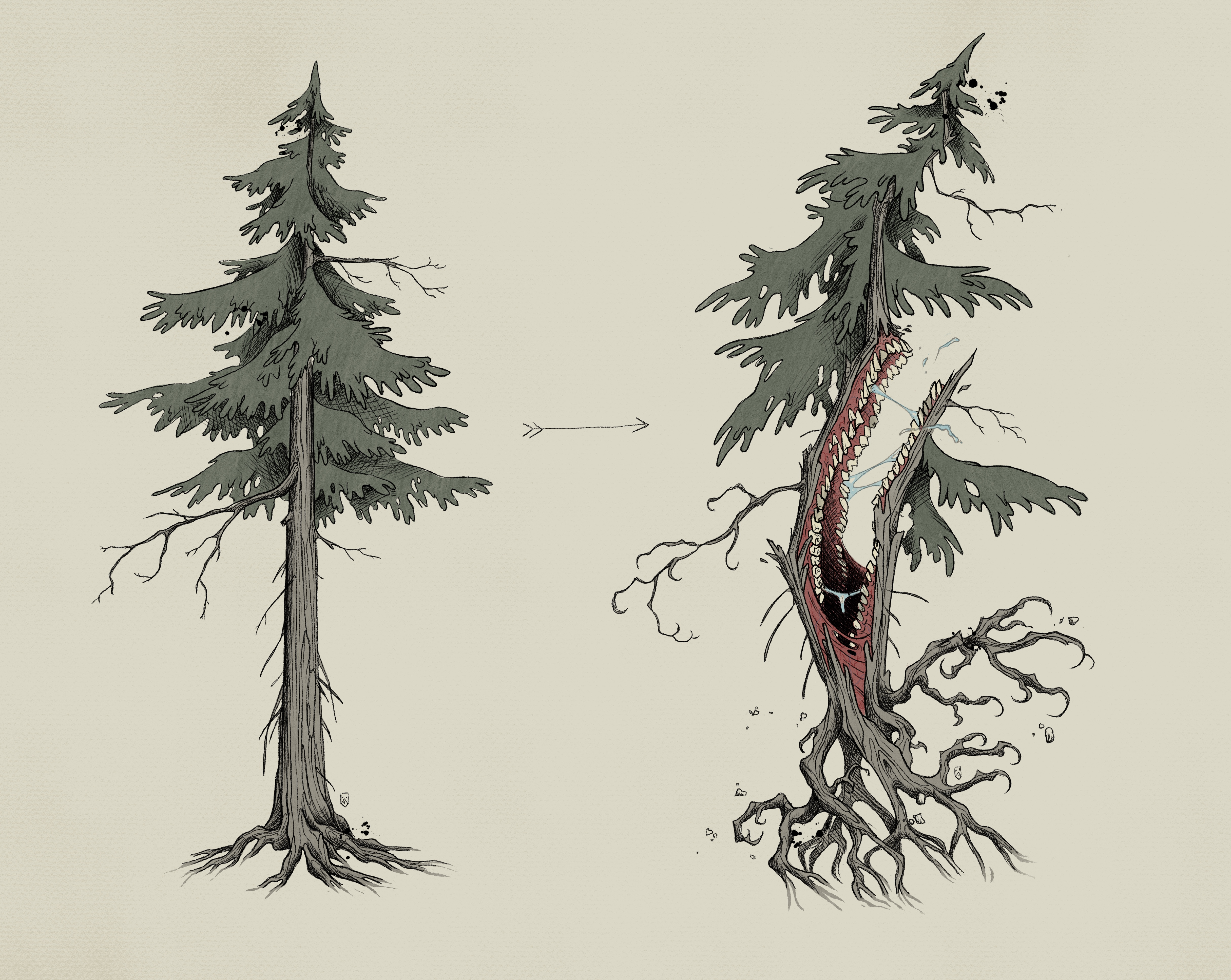
✦ Sanctuary has two bright stars that travelers use for guidance known as 'the Lupines'. They are named after Sanctuary's psi-wolves, who often alert the locals to storms and similarly guide lost travelers to safety. The mercenary group called The Twin Star Mercenaries are named after these two stars. Research Files Sunbirds, Psi-Wolves Dossiers & Logs Nothing Currently Maps & Locations Sanctuary Map Art & Artifacts An example of an Aberration, done by Ivyking |
Want to submit a world file of your own? Check out this guide here!





(ABOUT GLOWSTONES)
Though Crackle Storms can be dangerous, and even deadly, they do have some useful byproducts. One of the most notable is Sanctuary's main source of light: glowstones. Glowstones are made from rocks and minerals that are capable of absorbing a crackle storm's wild energies. They then slowly release these energies again in a more controlled and safe fashion in the form of light. This light generally lasts about a month before they must be recharged. Glowstones can either get their charge from another storm, or once activated by their first storm, be recharged with any sort of magic that can be poured into them. Because they produce bright light without the dangers of fire, do not smoke, and are fairly plentiful, they are often chosen for lighting places over wasting valuable fuel that could be used for heat. Candles and oil lanterns are still plenty popular, though. Surface level glowstones can often be found fairly easily at night after a Crackle Storm passes through, painting the landscape in flecks of light. Glowstone Types  Common Quartz & Selenite Common Quartz & SeleniteRegular old quartz is perhaps the easiest to find of the glowstones, and therefore the cheapest. It's a fairly solid rock, as long as you don't bang it around too much, and comes in many different sizes. Most go out to gather their own rather than paying for it, though specially shaped or polished quartz can still fetch a little extra at the markets. Quartz produces a clear, steady white light. Selenite is another commonly found glowstone with a similar light quality, and it can be found frequently on the steppes and in clay deposits.  Aragonite AragoniteAragonite is unique on this list because not only does it appear in crystalline form, but it forms the base of many animal shells as well. Crystal forms glow the brightest and longest, but after a particularly powerful Crackle Storm, you can see the shells of many snails and clams glowing a soft, pinkish-purple for a few hours. Many people use this in particular to hunt for Mother-of-pearl and abalone, as they glow a rosy-orange and greenish yellow directly after a storm. The crystal versions grow in red clay, and must be dug for, but are fairly easy to find in the area. They come in an array of glow colors, from cream, to pastel or hot pink, to smoky white, and vivid blue. The hot springs around Sanctuary also have travertine, a rock that is a blend of aragonite and calcite. While it doesn't glow quite so brightly as pure aragonite, it does put off a nice, soft, bluish-white light that gets brighter closer to the source of the springs, making the area's hot springs quite the beautiful sight after a storm.  Aventurine AventurineAventurine doesn't throw as much light as some other stones, but it's popular because of its seafoam green color and its shimmering qualities beneath the glow. Polished pieces can be found in Sanctuary's riverbeds, and stumbling across one still glowing after a Crackle storm is supposed to bring good luck and fortune. Larger pieces are usually brought out of mines within Sanctuary or Harbor's cave systems.  Other Common Stones Other Common StonesThere are several other commonly used glowstones that can be found all around Sanctuary's lands or in its caves with a bit of effort. Amethyst is fairly popular, with its warm purple light and attractive crystals. Citrine casts a comforting amber hue, which is popular in children's night lights. Agates come in a wide range of colors, and with their tree like rings, are often used for a stained glass effect. And finally, you have Spirit Quartz, which has a habit of splitting the light coming from it into a twinkling starlight effect. Smoky Quartz is particularly notable, as it seems to do strange things to color, washing them out until anything within its light gains a strange, almost sepia hue. It's not popular for every day use, but it does lend quite an interesting atmosphere to a room.  Rarer Stones Rarer StonesOther glowstones are rarer in the area and must be imported, or are present, but require treks deep into the more dangerous parts of the caves and tunnels beneath Sanctuary and Harbor. Rose or Strawberry Quartz are popular for their pinkish to jammy red hues, where Iris Quartz is beloved for its dazzling rainbow display. You also have several gemstones with glowstone capabilities, such as opals, topazes, Fluorites, Tourmalines, and Beryls. Many of these tend to be more popular as gifts to loved ones in the form of jewelry rather than whole-room lights unless you are someone particularly wealthy. (TRADE GOODS)
Priced for a 2" size About the size of a walnut Common Quartz & Selenite - Clear White Light - 1-2 Copper Aragonite - White, Pink, or Blue Light - 7 Copper Aventurine - Seafoam Green Light - 8 Copper Agate - Stained Glass Effect - 1 Silver Sodalite - Firefly Effect - 2 Silver, 5 Copper Amethyst - Warm Purple Light - 3 Silver Citrine - Comforting Amber Light - 4 Silver Smoky Quartz - Dim Light, Unique Sepia Effect - 4 Silver Spirit Quartz - Starlight Effect - 5 Silver, 1 Copper Fluorite - Varying Colors & Lights - 6 Silver Scheelite - Ghostly Blue Light - 9 Silver, 1 Copper Topaz - Vivid Pink Light with Purple Facets - 1 Gold Tourmaline - Various Colors & Lights - 1 Gold, 2 Silver Rutilated Quartz - Golden, Scattered Light - 1 Gold, 8 Silver Sphalerite - Various Colors in Vivid Neon, Shallow Light Cast - 1 Gold, 5 Silver Rose Quartz - Warm, Rosey Light, Said to Stabilize Moods - 2 Gold Esperite - Alien Yellow-Green - 2 Gold, 5 Silver Strawberry Quartz - Jammy Red Light - 2 Gold, 5 Silver Common Opals - Quiet, shimmering rainbow light - 3 Gold Hackmanite - Blacklight Effect - 4 Gold Iris Quartz - Vivid, Scattered Rainbows - 6 Gold Prasiolite - Sunny Green Light - 7 Gold Cat's Eye Quartz - Focused, Powerful Beam - 9 Gold Ametrine - Bisected Purple and Gold Light - 9 Gold Blue Quartz - Otherworldly Blue Light - 12 Gold Priced for a 7mm size About the size of a Pea Beryl - Minty Green Light - 1 Gold Phenakite - Beacon Like, Purple, Orange, or Pink - 4 Gold, 5 Silver Boracite - Seafoam - Seems to Repel Leviathans - 10 Gold 
(PLACES TO ADVENTURE)
The Switchback Forest A good deal of Sanctuary's vast Switchback Forest remains unexplored, pocketed with streams and the occasional lake. It's good for a quiet day of fishing or hunting as long as you keep your wits about you. You will find yourself sharing the woods with many other hunters, after all, from bears to the occasional Aberration. The forest butts up right against the mountains too, often hiding the entrances to ancient caves and lava tube networks that may lead both to treasure and ruin. The caves tends to have plenty of high value crystals and gems that make for popular glowstones that sell well in Sanctuary's markets, but also tend to play den for creatures like cave hyenas and sabercats. It's also well known that the AotM keeps its primary Artifact Vault somewhere in the Switchback, and occasional foolish adventurers will still try and find it from time to time. The Foothills The mountains surrounding Sanctuary are impassible, and likely would be even if it weren't for the near constant blizzards and powerful Crackle Storms that scour their peaks. But many of the foothills beneath them are still climbable, and are full of huckleberries, wild raspberries and strawberries, and fragrant mountain herbs. Lupine and wild rose also bloom here in abundance, and you can find plenty of bighorn sheep and the occasional mountain bison, but keep an eye out for bears and mountain lions. The Mammoth Steppes Most of The Steppes are not true steppes, which tend to be a lot drier than Sanctuary's primary mammoth habitat. The caldera mammoths have instead adapted over time to a much muddier, damper environment closer to the great plains. This means travel outside of the packed dirt road that winds through it can be difficult in the wetter months, but hunting is good here, especially if you can bag a mammoth during open season. The soil is also rich with good clay, in which you'll find selenite, agates, and jaspers, among other popular stones. Because the steppes are more exposed that the forest though, Crackle Storms here hit hard, and while Sanctuary's wildlife is more naturally immune to the weaker storms, a strong Crackler can still occasionally produce a terrifying Bison, sabercat, or even Mammoth Aberration. Osprey Cove Osprey Cove is a popular destination at any time of year. The hot springs beneath the surface of the cove ensure that the area stays much warmer than its surroundings, making it prime hunting real-estate for all sorts of animals-- both aquatic and terrestrial-- during the winter. It's also one of the only comfortable salt water beaches in the caldera for swimming in during the summer months. The rest of The Obsidian Sea stays pretty cold, but the cove is plenty warm, and its black sand beaches warm things up even more, occasionally even needing shoes to comfortably walk on its sands. There's even a hunting outpost at the cove that's free for anyone to use overnight. It's very a peaceful spot. Early in the morning or on warm afternoons, you can even see orcas coming in to scrub themselves on the rocky cove bottom. Since the water around the cove is much more shallow, it remains one of the few safe places to take a boat out into and maybe cast a line into deeper waters. One must always remain cautious how far the boat itself is to the edge, however. On cold days, the warmer waters often produce thick fogs, and its easy to miss the drop off buoys. Get too close to where a leviathan can reach and it absolutely will try and grab you. The Obsidian Sea The Obsidian Sea is no man's land for the most part. There's not much out there for anyone unless you're hunting seals, and even then you often have to compete with polar bears. One can occasionally get lucky fishing off the pack ice in winter, however, or from the rocky shore in summer, reeling in larger fish than one might find at Sanctuary's coves. But venturing too far out risks drawing the attention of Leviathans-- giant, mutated sea beasts that quickly rise up from the depths to devour fisherfolk and boats alike. They're fully capable of breaking through several feet of thick pack ice. There's a reason that Sanctuary doesn't have a harbor. Ghost Ruins Though the majority of the old buildings in the area are in Sanctuary itself, it seems like whoever lived in Sanctuary before its current residents expanded far further than just the boundaries of the hearthstones originally. It seems like some kind of disaster, likely a tsunami, from all of the earth and old debris, destroyed many of the older houses. Undiscovered ruins are hard to find, but if one hunts just after stronger Crackle Storms, one can spot them by the ghostly blue glow of the stones they seem to be built out of, poking just out of the soil in some places. If one digs, sometimes treasures can be found, or even the very occasional magical artifact. These old houses are also where the drowned spirits rise from during late winter's March of the Ghosts, so there are many superstitions around them, and many of Sanctuary's wiser residents advise leaving them alone. (TRADE GOODS)
Lantern Oil - Fish Oil (1 Pint) - 1 Copper, 32 Wooden Matches - 3 Copper, Lantern Oil - Walnut - (1 Pint) - 4 Copper, A Carved Bone Whistle - 4 Copper, Waterproofing Wax (1oz) - 5 Copper Wool Socks - 1 Silver, A Rough Spun or Patch-Hide Shirt - 1 Silver, 7 Copper, Buckskin Work Gloves - 2 Silver, Fur Lined Mittens - 2 Silver, A Hand Axe - 3 Silver, A New Tinderbox - 3 Silver, A Modern Notebook - 3 Silver, A Waterskin - 4 Silver, Rawhide Rope (15 Feet) - 4 Silver, A New Backpack - 4 Silver, A Polished Wooden Staff - 4 Silver, Field Knife - 4 Silver, An Obsidian Knife - 4 Silver, A Cheap Bedroll - 4 Silver, A Basic Shield - 5 Silver, A Tin Foot Stove - 8 Silver, A New Pair of Boots - 9 Silver, A Road Flare - 9 Silver A Metal Flip Lighter - 1 Gold, A New Bow & Arrow Set - 1 Gold, 2 Silver, Basic Fishing Gear - 1 Gold, 2 Silver, An Oil Lantern (Copper or Horn) - 1 Gold, 2 Silver, A Mid Quality Bedroll - 1 Gold, 4 Silver, Beaver Fur Lined Gloves - 1 Gold, 6 Silver, A Small Tent - 2 Gold, A Fine Wool Shirt - 2 Gold, A Nylon Rope (15 feet) - 2 Gold, A Primitive Pistol & A Box of Ammo - 2 Gold, A Wool Lined Jacket - 2 Gold, A Good Quality Bedroll - 3 Gold, A Sealskin Jacket - 6 Gold, 3 Silver, A Bear Fur Lined Jacket - 16 Gold 
(DOMESTICATED ANIMALS)
Ducks & Geese You'll see more ducks and geese in Sanctuary than chickens, who don't thrive terribly well in the cold, wet weather. Harlequin Ducks are the most common, and were originally bred by the Sunbirds, but have since spread all over the city. They are relatively cheap to purchase as ducklings, and produce eggs, feathers, and at the end of their life, rich meat. Many people also just keep them as pets, though. Cats Forest cats are one of the more popular breed of cats you'll find in Sanctuary, but there are felines of all kinds present, from dedicated mousers to family pets. Sanctuary advises that cat owners keep their cats inside whenever they can, however, as many creatures in and around the city consider them snacks-- including the odd fellow citizen. Pigeons Pigeons, or rock doves, are popular as pets and food in Sanctuary. They also are used for delivering messages, and a trained homing pigeon can be rented before a journey and will fly back to the office in the city where any messages tied to it can be delivered. They can carry about 2 ounces safely. Beasts of Burden Sanctuary gets deep snows during the winter. Draft mules tied to snow rollers and hired shovelers take care of the city streets and the main road to Osprey Cove, but going anywhere else in the cold gets tricky for many animals. Draft horses, mountain ponies, and draft mules are popular for those who can afford them, as are yaks and sled dogs. But far and away the best budget option is the caldera's giant reindeer, which you will see a lot of during the winter months. While warmer weather offers more choices for riding animals, there's still the mud to contend with, so animals more adapted to such conditions fare better unless one is sticking to the main roads, and tend to stand a better chance against predators if they can fight back or make a quick get away. Trained Otters Because the waters are so cold, and often dangerous, purchasing an otter trained to chase fish into your net tends to pay for itself twice over, both in personal food supplies and extra income. They're cute to boot, but tend to be feisty and mischievous, and make better working animals than pets. Sunbird Bred Hunting Birds Over time, the local Sunbirds have been creating their own hunting birds, subtly altering local species with magic and breeding. These birds of prey are about as smart as a dog, and about as loyal as your average cat-- which means they form attachments, but still must be respected in order to get them to hunt for you. The exact method of their creation is a closely kept secret, and the birds are very expensive to buy. The Sunbirds also sterilize them before they allow them to pass into other hands. The Sunbirds have bred peregrines, golden eagles, white-shouldered eagles, goshawks, kestrels, and gyrfalcons, as well as eagle owls. (TRADE GOODS)
Care & Transport Dried Straw (1lb) - 1 Copper Sled Dog Boots (per boot) - 2 Copper A Nose Bag - 2 Silver Four Horse Shoes - 4 Silver, 2 Copper A Falconer's Glove - 6 Silver A Stable Blanket - 1 Gold A New Sledge - 6 Gold A Tack & Harness (Large) - 10 Gold A Buckboard Cart - 50 Gold A Vozok Sled - 75 Gold A Celerity Wagon - 2 Jade, 50 Gold Live Animals A Live Harlequin Duck - 1 Silver, 5 Copper A Domestic Forest Cat - 1 Silver, 5 Copper A Pet Rock Dove - 2 Silver A Pet Flying Squirrel - 3 Silver A Hunting Ferret - 3 Silver A Chicken - 3 Silver A Trained Barn Owl - 5 Silver A Shetland Sheep - 6 Silver A Trained Great Horned Owl - 8 Silver A Goat - 8 Silver, 5 Copper A Scouting Raven - 9 Silver A Mountain Pony - 1 Gold, 3 Silver A Trained Reindeer - 1 Gold, 5 Silver A Homing Pigeon - 2 Gold A Pig - 2 Gold A Trained Yak - 4 Gold A Trained Hunting Goshawk - 4 Gold A Draft Horse - 5 Gold An Adult Highland Cow - 9 Gold A Hunting Dog - 10 Gold A Sunbird Bred Hunting Bird - 3-15 Gold A Donkey - 15 Gold A Trained Fishing Otter - 21 Gold A Draft Mule - 32 Gold A Sunbird Bred Peregrine - 50 Gold A Sunbird Bred Golden Eagle - 1 Jade, 66 Gold Hunting A Snowshoe Hare Pelt - 3 Copper Highland Cattle Wool (1lb) - 3 Copper A Winter Ermine Pelt - 1 Silver, 6 Copper A Red Fox Pelt - 2 Silver Duck Feathers (1lb) - 3 Silver Yak Wool (1lb) - 4 Silver A Deer Pelt - 4 Silver An Arctic Fox Pelt - 6 Silver A Black Bear Pelt - 9 Silver A Quality Scimitar Cat Fang - 1 Gold A Black Fox Pelt - 5 Gold A Short Faced Bear Pelt - 20 Gold A Quality Mammoth Tusk - 35 Gold One Adult Mammoth Hide - 1 Jade 
(RELAXATION & FUN)
Hot Springs Mammothjaw Hot Springs and it's adjoining Bathhouse, with its prismatic mammoth bones and giant pools, is probably the most well known of the hot springs in Sanctuary. But there are plenty of smaller springs in and outside of the city. Some are public, but others who were fortunate enough to discover springs on their own property enjoy a few private springs as well. There are also many underground springs yet to be tapped all over the area. The Temple in the Pines More a spa and lounge than a temple, the Temple in the Pines is a fairly upscale retreat that those with a bit of extra coin often visit to get away from the city for a while. It's popular with weddings (and vampires.) Many of its recreational rooms are underground, and all of its overnight rooms, making it a safe stay despite Crackle Storms. Aberrations and more problematic wildlife seem to avoid the property. (TRADE GOODS)
Dried Harbor Ginger (1oz) - 2 Copper, Dried Harbor Turmeric (1oz) - 3 Copper, One Harbor Banana - 3 Copper, Harbor Cane Sugar (1lb) - 3 Copper, A Harbor Coconut - 4 Copper, A Harbor Grapefruit - 6 Copper, Imported Scented Soap (1oz) - 8 Copper An Imported Candy Bar - 1 Silver, A Jasper Bead Bracelet - 1 Silver, An Imported Soft Cover Book - 1 Silver, An Imported Scented Votive Candle - 1 Silver, Coffee Beans (1lb) - 1 Silver, 2 Copper, Harbor Oranges (1lb) - 1 Silver, 5 Copper, An Imported Bag of Potato Chips - 2 Silver, Vanilla (1oz) - 3 Silver, Imported Bubble Bath - 4 Silver, An Agate Pendant - 4 Silver, An Amethyst Necklace - 4 Silver, Cinnamon (1oz) - 4 Silver, 5 Copper, Imported Shampoo - 5 Silver, A Sunstone Ring - 5 Silver, A Carved Obsidian Pendant - 6 Silver, Imported Lotion - 6 Silver, Cacao Beans (1lb) - 6 Silver, A Garnet Necklace - 8 Silver, A Peridot Ring - 8 Silver, A Fresh Pineapple - 9 Silver An Imported Board Game - 1 Gold, Opal (Common) Earrings - 1 Gold, A Good Bottle of Wine (Usually Imported) - 1 Gold, 5 Silver, A Set of Legos - 1 Gold, 6 Silver |

(PLACES TO EAT)
The Sparrow & The Hare The Sparrow & The Hare is Sanctuary's oldest Inn. It serves affordable local foods like fried clams, wild boar stew, and cloudberry scones; as well as beverages such as teaberry tea and cloudberry wine. The Fireside Market The Fireside is a large market that can be found in the middle of the city, just next to the river. You'll find all sorts of foods from all across the multiverse here, though local offerings like roasted venison or fried fish are generally more affordable. Still, if you're hoping to snag that candy bar you're feeling nostalgic for, and don't mind paying a pretty penny for it, you're likely to find it at the Fireside. Hot Springs You can find snack vendors selling different things around the hot springs depending on the time of year, from smoked eggs, to iced tea, to a custardy kind of ice pop in the summer time. The Scrapyard Sanctuary's other market has a reputation for being somewhat less than reputable, but it's very popular with the crowds who brave the trip back and forth from Harbor, which means that you're likely to find more tropical goods here at a potentially better price than the Fireside Market. There are also a few popular bars located in this area too. (TRADE GOODS)
 Sanctuary's cold, wet climate can make it difficult to grow things sometimes, though many of Sanctuary's citizens have found a way around that by utilizing small greenhouses attached to their homes, or by importing seeds for cold hardy varieties of things. Seafood is plentiful, though, as is wild game. Sanctuary's cold, wet climate can make it difficult to grow things sometimes, though many of Sanctuary's citizens have found a way around that by utilizing small greenhouses attached to their homes, or by importing seeds for cold hardy varieties of things. Seafood is plentiful, though, as is wild game.Typically most of Sanctuary's seafood is shore caught. Most do not own the kind of large boats needed to do any kind of serious off shore fishing, and Sanctuary itself doesn't have an official harbor. This is in part because the currents in the summer and the ice in the winter can make any kind of navigation with a boat tricky, and as soon as you get into deeper waters, you have the deadly Leviathans to deal with, who are forever lurking just beneath in the inky depths. Occasionally deeper water fish will chase a meal into shallower waters though, and nabbing something like a tuna or a halibut will net you a decent amount of coin. Lastly, there are the mammoths. A great deal of new-comers are very curious about how they taste. In truth? Terrible. Their meat is greasy and tough and is practically given away when there's a slaughter. It can be stewed into something palatable, but its considered the kind of meat one buys on an extreme budget in Sanctuary. Mammoths are mostly hunted for their ivory, their warm hides, and their fat, but hunts are only allowed during the fall, and to preserve the population, only a certain amount of mammoths are selected for culling each year. In terms of drinks-- like Harbor, Sanctuary is still a fairly young city, so if you're looking for things like aged wine, it simply hasn't been around long enough. But there are imports aplenty, if you're willing to shell out a bit more for the good stuff. If not, there's always cloudberry wine. Octopus (1lb) - 1 Copper, A Snack Bag of Popped Millet - 1 Copper, Oats (1lb) - 1 Copper, Sea Salt (1lb bag) - 1 Copper, Cranberry Hard Candies (1oz) - 1 Copper, Dried Mountain Thyme (1lb) - 1 Copper, Fresh Wild Mint (1oz) - 1 Copper, Acorn Flour (1lb) - 2 Copper, Dried Chicory Coffee (1lb) - 2 Copper, Fresh Cloudberries (1lb) - 3 Copper, Birch Syrup (4oz) - 3 Copper, Mammoth Meat - Tough, Gamey, Greasy (5lb) - 2 Copper, A Bag of Burdock Chips - 2 Copper, Wild Boar Meat (1lb) - 2 Copper, Watercress (1lb) - 2 Copper, Herring (1lb) - 2 Copper, A Loaf of Dulse Bread - 2 Copper, Apples (1lb) - 3 Copper, Yellowfoot Chantrelles (1lb) - 3 Copper, Smelt (1lb) - 3 Copper, Duck Potatoes (1lb) - 3 Copper, Salted Cod (1lb) - 3 Copper, Seal Meat (1lb) - 3 Copper, Mussels (1lb) - 4 Copper, Hazelnuts in the Shell (1lb) - 4 Copper, Dried Sugar Kelp (1lb) - 4 Copper, Fresh Manchurian Apricots (1lb) - 4 Copper, Fireweed Honey (1oz) - 4 Copper, Dried Goji Berries (1lb) - 4 Copper, Yak Butter (1lb) - 4 Copper, Salmon (1lb) - 4 Copper, Shrimp (1lb) - 4 Copper, Dried Sea Cucumbers (1lb) - 5 Copper, Wheat Flour (1lb) - 5 Copper, Walnuts (1lb) - 5 Copper, Cloudberry Jam (1oz) - 5 Copper, Pike (1lb) - 5 Copper, Asparagus (1lb) - 5 Copper, Reindeer Meat (1lb) - 5 Copper, 1 Dozen Duck Eggs - 5 Copper, Duck Meat (1lb) - 6 Copper, Dried Apricots (1lb) - 6 Copper, Cranberry Tea (1lb) - 7 Copper, Trout (1lb) - 7 Copper, Chicken Meat (1lb) - 8 Copper, A Loaf of Wheat Bread - 8 Copper Abalone (1lb) - 1 Silver, Bay Scallops (1lb) - 1 Silver, Highland Cow Butter (1lb) - 1 Silver, King Crab (1lb) - 1 Silver, Halibut (1lb) - 1 Silver, 5 Copper, Shelled Pine Nuts (1lb) - 1 Silver, 5 Copper, Highland Cattle Beef (1lb) - 2 Silver, Bison Meat (1lb) - 2 Silver, 5 Copper, Sea Urchins (1lb) - 3 Silver, Bluefin Tuna (1lb) - 3 Silver, 6 Copper, Pink Salt (1lb bag) - 5 Silver, A Cheap Bottle of Local Wine - 7 Silver 
(PLACES TO SEEK HEALING)
Day to Day Healing Most of Sanctuary's residents seek out healers within Sanctuary itself. There are plenty of private practices, from traditional medicine from all over the multiverse, to arcane healers, to what many consider to be modern medicine. Some charge, some do not. Others work on a sliding scale, or may charge a lot more if say, they're removing a hex gained through stupidity rather than happenstance. It all really varies from individual to individual. Mammothjaw Hot Springs & Bathhouse, notably, has healers on staff that can help with muscle injuries and sprains, though they don't tend to more serious ailments there. Serious Injuries & Sickness If one is truly in dire straights and cannot find medical attention in Sanctuary, taking the Gates in the main square through to the Omphalos can give desperate souls access to their med bay. The med bay is open to everyone, but since it is often already overloaded with injuries the AotM's agents bring back with them, doctors there may turn away patients with lesser ailments that Sanctuary's doctors can easily tend to. Still, it remains a good option for complicated ailments or emergencies, and there's very little the Omphalos's med bay isn't equipped to tackle. Other Options If Sanctuary's offerings don't suit your needs, but things aren't yet bad enough to visit the Omphalos's doctors, there are also often doctors and clinics available in the AotM's other settlements via the Gates. Beach City notably has a fair sized hospital. Or, if you're willing to take a risk for more obscure cures, you can always see what turns up in Harbor. (TRADE GOODS)
Pine & Mint Steam Bundles (1lb) - 1 Copper Dried Usnea (1oz) - 1 Copper Pine Charcoal Powder (1oz) - 2 Copper Therapeutic Clay Mud (1oz) - 2 Copper A Pumice Stone - 3 Copper Nettle Tea (1lb) - 3 Copper Yarrow Powder (1oz) - 3 Copper Elderberry Syrup (1oz) - 3 Copper Stinging Nettle Salve (1oz) - 3 Copper Fish Liver Oil (1 oz) - 4 Copper Sulfur & Walnut Oil Salve (1oz) - 5 Copper Dried Kingsfoil (1oz) - 5 Copper Willow Bark Tea (1lb) - 7 Copper Arnica Ointment (1oz) - 7 Copper Chaga Tea (1lb) - 7 Copper Linen Bandages (1lb) - 8 Copper Valerian Root Tea (1lb) - 1 Silver An Obsidian Scalpel - 1 Silver, 4 Copper 
(HOMES IN SANCTUARY)
 Almost everyone who lives in Sanctuary builds their homes within the bounds of the Hearthstones. While it is possible to avoid the mutating effects of a Crackler by building at least six feet underground, this also involves having either no skylights to the surface, or having special shudders and buffers made from light glowstones like perlite to absorb any ambient energy that leaks through. Almost everyone who lives in Sanctuary builds their homes within the bounds of the Hearthstones. While it is possible to avoid the mutating effects of a Crackler by building at least six feet underground, this also involves having either no skylights to the surface, or having special shudders and buffers made from light glowstones like perlite to absorb any ambient energy that leaks through.Assuming you can get inside and underground in time, there's still the risk of your plants and animals being affected. Not only would you have to build underground shelter for any horses, ducks, cows, or any other livestock or pets you might have, but you'd have to ensure that they were in those shelters when a storm came through, or risk having to put down an Aberration that used to be your best cow. Plants mutate far less than animals, but especially if your house plant isn't a native species, there's always a chance it could change too. And then there's having to deal with any wild Aberrations that occur too, along with all the natural challenges and dangers of sharing an isolated property with hungry megafauna. So while some brave the wilds, most people don't consider it worth the risk, and instead prefer to try and find room within the protection of the hearthstones instead, even if it does mean rubbing shoulders with your neighbor sometimes. As for housing, the bases of many of Sanctuary's original buildings are good and sturdy, and tend to be limestone and volcanic rock like andesite. Border walls tend to be made from basalt, and you'll see long lines of the grey-brown stone along the property lines of farms and more wealthy personal homes. Turf houses are also popular with many people doing newer construction near the edges of town, and the Sunbirds like to build giant 'bower' houses that are made from woven wood and geothermal concrete. These bowers often resemble giant, hollowed out gourds and are often connected to other bowers through walkways above the street. The most coveted buildings are built directly on top of buried hot springs, which naturally heat the floors in the winter. Quartzite tends to be popular for walkways, and markers outside of the city, because it's a glowstone, and lights up after being charged during a Crackle Storm for several days. In fact, the main path to Osprey Cove is surfaced with quartzite, making it easier for travelers to find the road at night. Currently Available Houses *Note: You're welcome to design your own character's houses! This is just for people who would like something pre-made for them to move into. Nothing Currently! (TRADE GOODS)
A 6" Terracotta Plant Pot - 1 Copper, Hide Parchment, 1 Sheet - 1 Copper, A Jar of Horse Tail (plant) Hair Rinse - 1 Copper, A Wooden Spoon - 1 Copper, A Feather Pen - 1 Copper, A Tallow Candle - 1 Copper, A Fired Clay Bowl - 2 Copper, A Wooden Cup - 2 Copper, A Bundle of Firewood - 2 Copper, 10 Pieces of Chalk - 2 Copper, A Tin Plate - 3 Copper, Tallow Soap - 1lb - 3 Copper, A Bone Comb - 3 Copper, A Jar of Beebalm Mouthwash - 4 Copper, A Boar Bristle Toothbrush - 5 Copper, A Linen Tea Towel - 5 Copper, A Drinking Horn - 5 Copper, Black Walnut Ink (1oz) - 5 Copper, A Grass Stuffed Pillow - 7 Copper, A Straw Broom - 7 Copper A Beeswax Candle - 1 Silver, Tallow Balm (4oz) - 1 Silver, 2 Copper, A Tied Rag Rug - 1 Silver, 3 Copper, A Set of Wooden Building Blocks - 1 Silver, 4 Copper, A Woven Grass Basket - 1 Silver, 5 Copper, A Coarse Wool Blanket - 2 Silver, Carved Toy Wooden Animal - 2 Silver, A Large Iron Cookpot - 3 Silver, A Wooden Checkers Set - 4 Silver, A Nettle Fiber Bath Towel - 5 Silver, 5 Copper, A Grass Stuffed Mattress - 7 Silver, 5 Copper, A Hand Cut Wooden Puzzle - 8 Silver, A Small Copper Cookpot - 8 Silver, 3 Copper, A Hay Stuffed Armchair - 9 Silver A Modest Wooden Desk - 1 Gold, A Sturdy Wooden Chest - 1 Gold, A Small Bookshelf - 1 Gold, A Woven Wool Rug - 1 Gold, 2 Silver, A Wool Stuffed Mattress - 1 Gold, 5 Silver, A Small table and 4 chairs - 2 Gold, 7 Silver, A High Quality Wool Blanket - 3 Gold, A Wool Stuffed Couch - 3 Gold, 5 Silver, A Feather Mattress Topper - 4 Gold, 5 Silver 
(MAGICAL SERVICES)
Glowstone Yards Activation or Recharge - 4 Silver While many glowstones are just raw quartz, rarer or specially carved or polished specimens stand the risk of being stolen if just left out in a Crackle Storm without protection. While some people have secret recharge spots outside of the city, others opt for the convenience of a locked and sorted re-charge yard. Most charge a flat fee no matter the stone, and then optional insurance for particularly rare or sentimental stones. (MUNDANE SERVICES)
Laundry Services Typically done by the load. A Basic Wash - 4 Silver, 5 Copper Scrubbed by hand in hot spring water with lye soap and line dried. Deep Clean & Surface Repairs - 1 Gold, 6 Silver An extra long soak and extra scrubbing for deeply soiled garments and gear. Small holes repaired on clothing, boots shined up, small stains corrected. Pressed or Scented - 3 Silver add on Fragrant herbs in mint, thyme, or lavender to give clothing a pleasant scent. Pressed and softened. Quick-Dry Spell - 2 Silver add on For those in a hurry, a bit of magic can speed the drying process along. Must be done carefully to avoid shrinkage, so be careful on skimping on this service. Waterproofing - 4 Silver, 5 Copper per foot Strip old wax away, or prep a surface for a fresh coat of waterproofing wax. Dry Cleaning - 1 Gold Specialized minerals and a good beating are used to clean garments, pelts, and blankets that cannot be traditionally washed. Tailor Simple Repair (Per 1hr) - 4 Silver Patch a tear, replace some buttons, or reinforce an aging seam. Simple Embroidery (Per 1hr) - 7 Silver A simple decorative design or identification mark. Complex Embroidery (Per 1hr) - 1 Gold Intricate or large designs. A Farrier Hoof Trimming & Re-Shoeing - 4 Silver All four hooves. Typically an up-charge for difficult or complex animals. A Wilderness Guide Guide Services & Gear (Per Day) - 2 Gold Typically minimally armed, and tends to focus on danger avoidance rather than combat. A specialist in navigation, they get you to and from your destination and ensure you steer clear of trouble and don't starve or catch diseases from dirty water. Often includes borrowed gear and meal prep, but may be cheaper if the client provides these things themselves. A Mercenary Escort Guide Services & Gear (Per Day) - 4 Gold Typically can do everything a Wilderness Guide does, but is capable of serious combat if needed too. Typically hired when someone is expecting trouble or travel into dangerous territory. May be cheaper if they're just expected to be hired muscle rather than also acting as a guide. High Threat Specialist (Per Day) - 7 Gold The real tough guys. These individuals are elite mercenaries, hired when things are expected to get really hairy. The listed price is generally just the starting range. Prices can go up with skill, threat level, and expected side duties. Stable Services Basic Stall & Feed (Per Night) - 3 Silver Many of Sanctuary's Inns will offer up a clean stall, fresh bedding, and a basic feed for herbivorous mounts for the night. Carnivores or predatory species that rile up the other mounts may be turned away, housed separately, or require an extra fee, particularly if the Inn is providing meat instead of hay. Groom & Board (Per Night) - 8 Silver, 5 Copper All the basics, plus a full brush down, a hoof picking, and a warm mash. Carnivorous mounts may get higher cuts of meat. |
Moderators: Jabberwookie